



 Popular Categories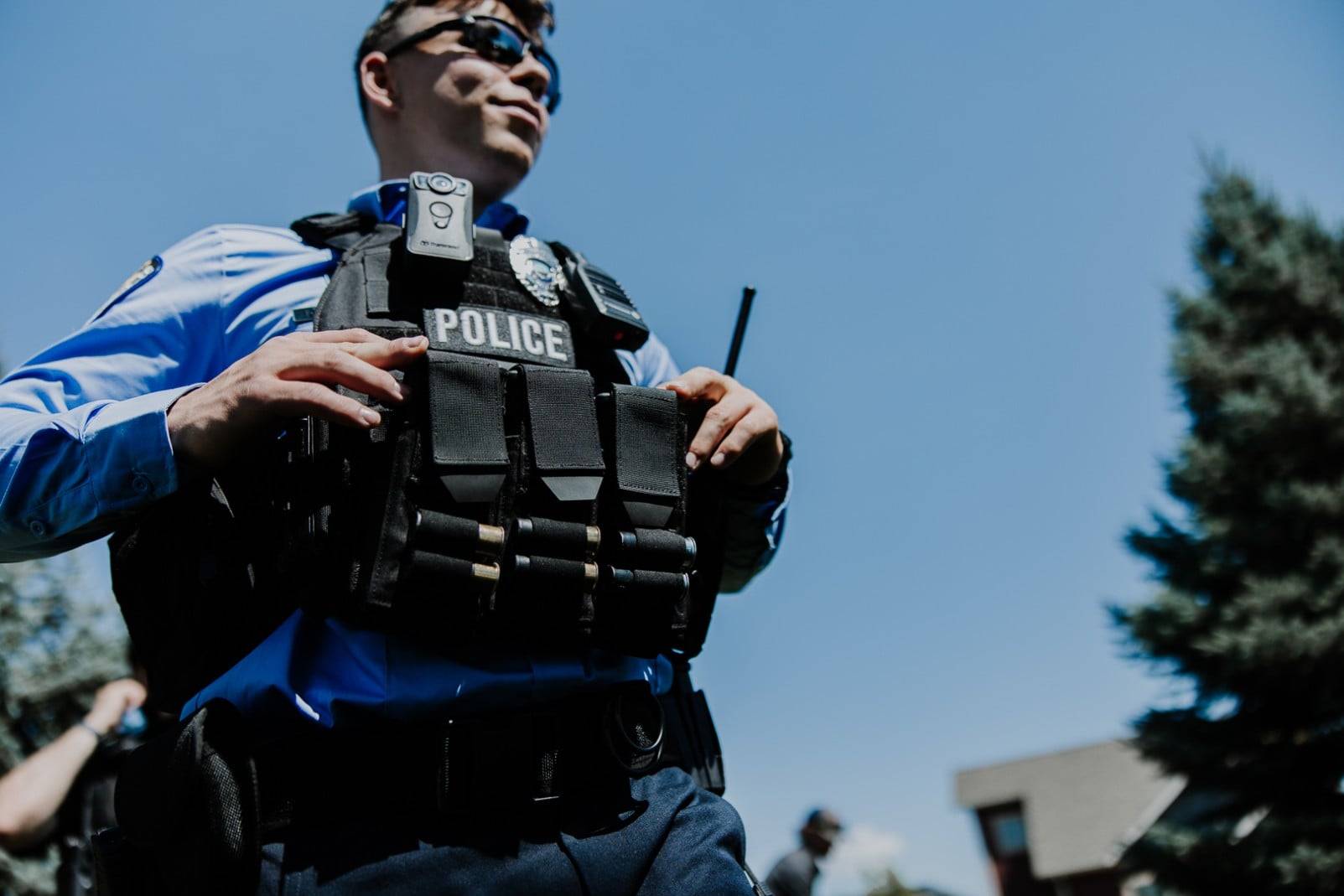
Top 5 Reasons to Use a Plate Carrier for Tactical Missions

For law enforcement and public safety professionals, equipment is not just about utility—it is about survival. In high-risk tactical situations, the gear you carry often determines the outcome of the mission and your ability to return home safely. Among the most critical pieces of kit in a modern operator's arsenal is the plate carrier.
So, what is a plate carrier? Unlike traditional soft body armor concealed under a uniform shirt, a plate carrier is a foundational load-bearing platform designed to stop high-velocity rifle threats while keeping mission-essential tools within immediate reach. It is purpose-built for the demands of direct action, active shooter response, and high-threat warrant service.
While many departments issue standard soft armor, the escalation of threats in the field has made the plate carrier an indispensable asset. This guide details the five primary reasons a high-quality plate carrier is essential for tactical missions. We will examine how these systems enhance survivability, offer unparalleled modularity, and support operational efficiency when seconds count.
1. Enhanced Protection Against High-Velocity Threats
The primary function of any armor system is to stop rounds and minimize trauma. However, the threat landscape for law enforcement has evolved. While standard Level II and Level IIIA soft armor is excellent for stopping handgun rounds, it is often insufficient against high-velocity rifle fire. This is where the plate carrier becomes mandatory equipment.
The Necessity of Hard Armor
A plate carrier is designed specifically to house hard armor plates—typically Level III or Level IV. These plates are engineered to defeat rifle calibers that would easily penetrate soft Kevlar vests. In an active shooter scenario or a barricaded suspect situation, the likelihood of encountering rifle threats increases significantly. Relying solely on soft armor in these environments leaves an officer vulnerable to lethal trauma.
By positioning hard plates over the vital organs—heart, lungs, liver, and major arteries—a plate carrier provides a shield against the most lethal threats you face. The coverage area is concentrated on the "kill box," balancing maximum protection with the need to move and fight.
Integrated Solutions for Immediate Deployment
For agencies looking to bridge the gap between soft and hard armor, solutions like the Galls GTAC Plate Carrier with XPIIIA Armor offer a robust starting point. This system is unique because it comes equipped with Level IIIA soft armor panels already integrated. This provides immediate protection against handgun threats and fragmentation while acting as a reliable backer for hard plates.
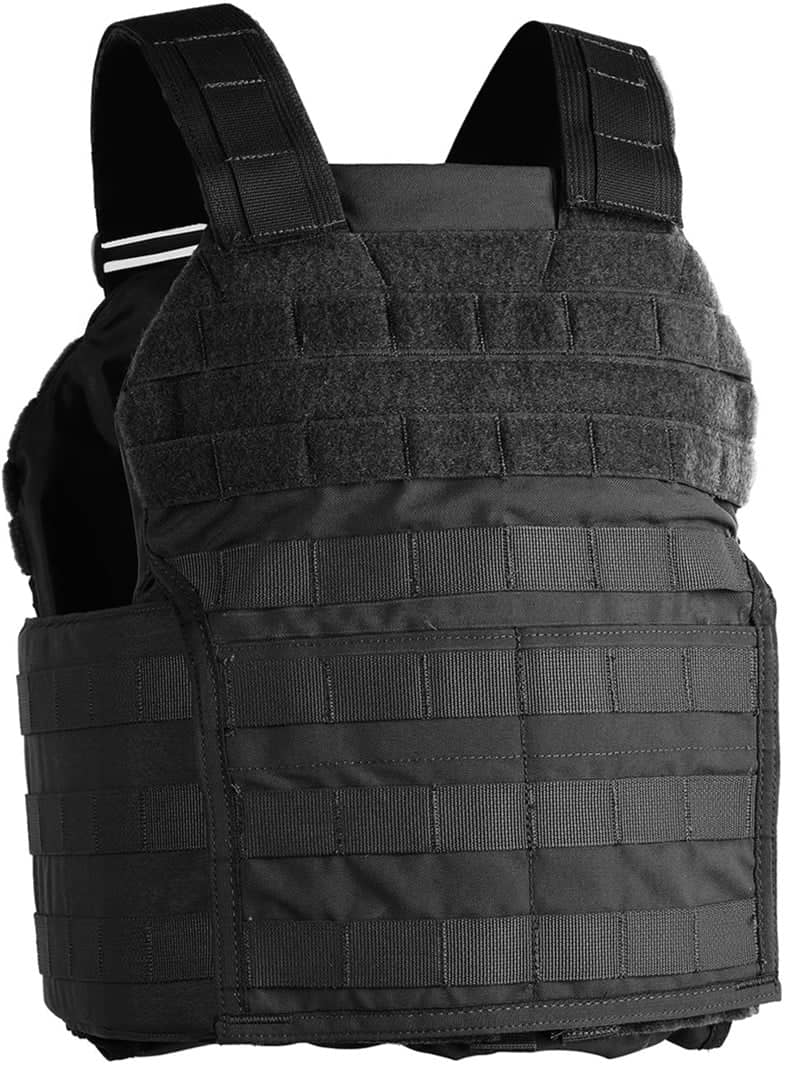
When you add hard plates to a carrier like the GTAC, you create a multi-layered defense system. The hard plate breaks up the projectile, and the soft armor backing absorbs the residual energy and spalling. This combination drastically reduces blunt force trauma, keeping you in the fight even after taking a hit. For officers who need a "grab-and-go" solution that offers baseline protection immediately, this type of integrated carrier is a superior choice.
2. Unmatched Modularity and Mission Adaptability
No two missions are exactly alike. A SWAT operator conducting a raid has different equipment needs than a patrol officer responding to a call or a medic entering a warm zone. The defining characteristic of a modern plate carrier is its modularity, primarily achieved through PALS (Pouch Attachment Ladder System) webbing, commonly known as MOLLE.
Tailoring the Loadout
MOLLE webbing allows you to customize your gear placement down to the inch. You can attach magazine pouches, medical kits, radio pouches, tourniquets, and utility bags (dump pouches) exactly where you need them. This customization is critical for muscle memory. When stress levels spike and fine motor skills degrade, you need to know exactly where your spare magazine or radio is without looking. Remember, your day to day may be using equipment on your duty belt but when you pivot into the high stress situation, that gear may now be on your carrier. The more you train, the more you are prepared, the better you will respond.
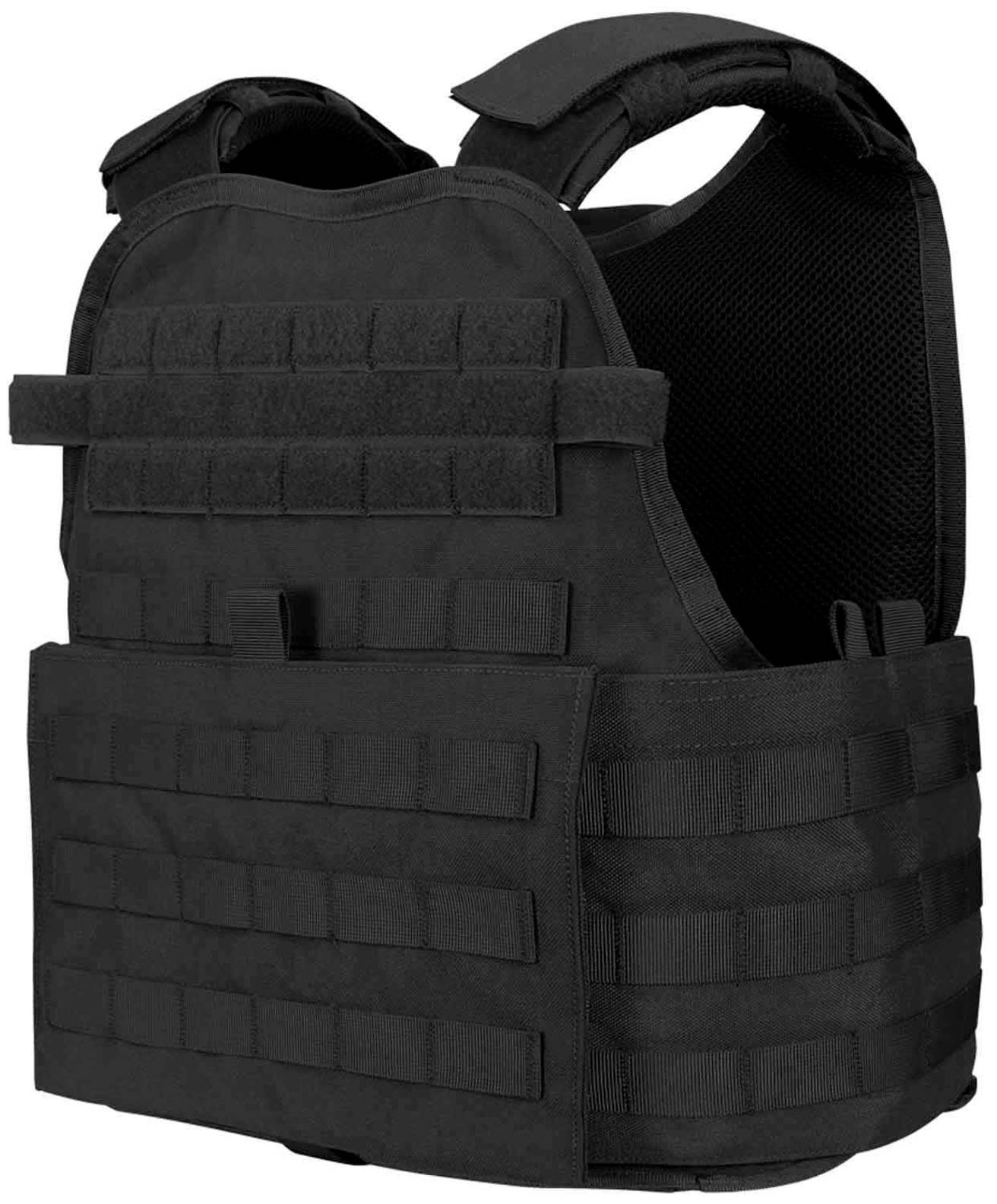
This adaptability extends to the carrier itself. The Condor MOPC Modular Operator Plate Carrier is a prime example of a chassis designed for versatility. It features extensive webbing on the front, back, and cummerbund, providing ample real estate for any loadout configuration. Whether you need to run a heavy setup with side plates and extra munitions or a streamlined setup for mobility, the MOPC accommodates the mission profile.
Scalability for Different Roles
The modular nature of these carriers allows departments to standardize on a single platform while enabling individual officers to scale their gear. A breach team member might attach shotgun shell carriers and a dump pouch, while a team leader might prioritize communications gear and admin pouches. The ability to add or remove components—such as a detachable cummerbund or shoulder pads—means the carrier evolves with your role.
Furthermore, modern modular carriers often support "placards" or swift-clip systems. This allows an operator to keep different pre-configured front panels (e.g., one for an AR-15 platform, another for a submachine gun or shotgun) and swap them in seconds. This level of adaptability ensures that your gear never dictates your tactics; instead, your tactics dictate your gear.
3. Superior Load-Bearing Capabilities and Weight Distribution
Carrying 20 to 30 pounds of gear on a duty belt for a 12-hour shift takes a physical toll. Lower back pain and hip fatigue are common complaints among law enforcement professionals. Posture changes when the weight is bringing you down, or the equipment is sitting on your back or just off your spine, causing more impact over the years. A plate carrier addresses this by shifting the load from the hips to the torso, utilizing the body’s core strength to manage the weight.
Ergonomics of the Torso Load
By moving heavy items like rifle magazines, radios, and IFAKs (Individual First Aid Kits) off the belt and onto the carrier, you improve your center of gravity. This distribution makes running, climbing fences, and moving through difficult terrain significantly easier. A well-fitted plate carrier hugs the body, preventing gear from flopping around during vigorous movement.
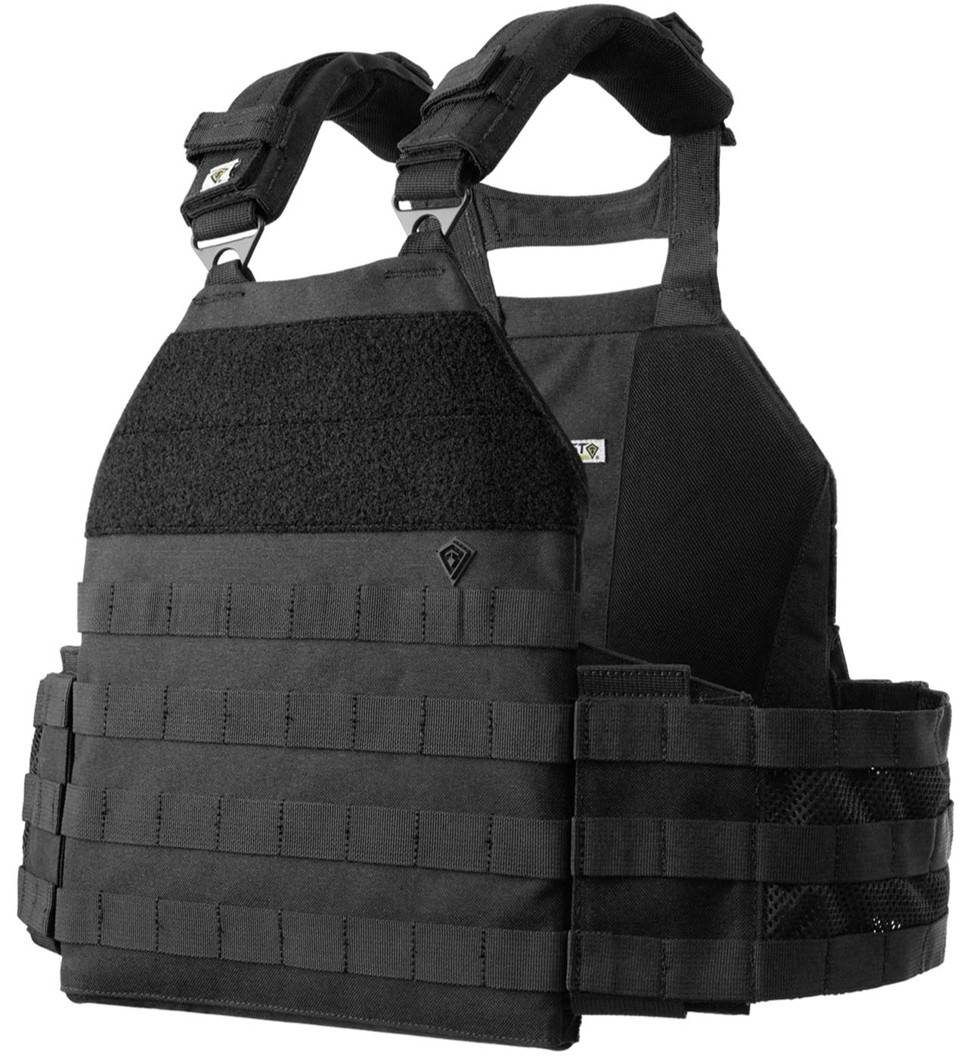
The First Tactical Specialist Plate Rack excels in this area. Designed with stability and durability in mind, it provides a secure platform for heavy loads without the bulk associated with full-coverage vests. Its design focuses on keeping the plates high and tight to the body, ensuring that the weight is carried by the shoulders and upper back muscles rather than digging into the hips.
Managing Fatigue
Fatigue is a safety issue. An exhausted officer makes slower decisions and has slower reaction times. Quality plate carriers utilize padded shoulder straps and adjustable cummerbunds to mitigate the strain of heavy armor. The internal suspension systems in premium carriers help ventilate heat and reduce friction points.
When selecting a carrier, look for features like the "yoke" shoulder system found on the First Tactical Specialist Plate Rack. This design prevents the straps from slipping and evenly disperses weight, which is crucial during extended operations or perimeter containment duties. By reducing physical strain, the equipment helps maintain your mental acuity and physical readiness for the duration of the mission.
4. Optimized Mobility for High-Stress Environments
There is a constant trade-off in tactical gear between ballistic protection and mobility. If you are too armored up, you become slow and lethargic—an easy target. If you are too light, you risk critical injury. The best plate carriers of today strike the perfect balance, offering vital protection while maintaining the operator's range of motion.
The "Shooter’s Cut" Advantage
Most modern hard plates and carriers feature a "shooter’s cut" or "swimmer’s cut." This design angles the top corners of the plate and carrier to free up the shoulder pocket. This is essential for properly shouldering a long gun. A bulky vest can interfere with your stock weld, making it difficult to acquire a sight picture quickly.
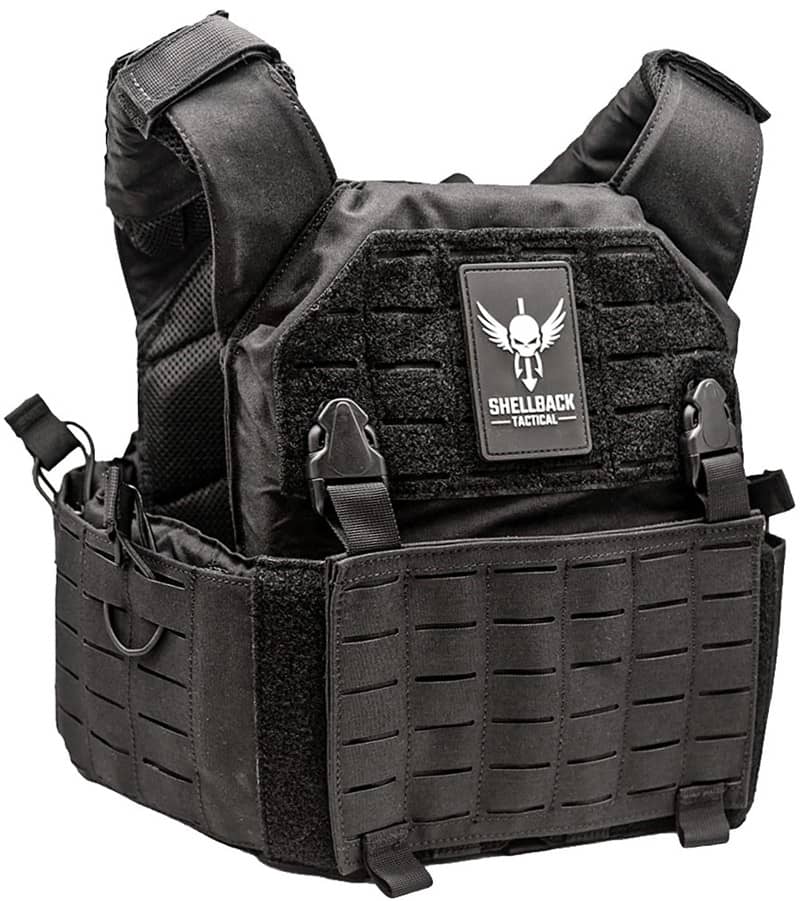
The Shellback Tactical Rampage 2.0 Plate Carrier is engineered specifically for this kind of dynamic movement. It is lightweight and features laser-cut MOLLE, which reduces the bulk of traditional nylon webbing. The result is a streamlined profile that is less likely to snag on doorframes, seatbelts, or debris.
Speed and Agility
In active shooter response, speed is security. You need to move rapidly toward the threat. The Rampage 2.0 and similar lightweight carriers allow for explosive movement. Whether you are sprinting across a parking lot, exiting a patrol vehicle under fire, or navigating the tight confines of a hallway, a low-profile carrier moves with you, not against you.
Mobility also encompasses the ability to access your weapon systems. A properly set up plate carrier keeps the front abdominal area clear enough to draw a sidearm from a duty belt without obstruction. It allows for a full range of motion in the arms for defensive tactics or climbing. The goal is to feel like the armor is an extension of your body, not a cage that restricts you.
5. Organizational Efficiency and Team Standardization
Beyond individual performance, plate carriers contribute to the efficiency of the entire unit. When a team utilizes a standardized system, it simplifies logistics and enhances safety through uniformity.
The "Buddy System" and Medical Access
In a worst-case scenario where an officer is wounded, team members need to know exactly where to find life-saving equipment. If everyone on the team wears their plate carrier with the IFAK in a standardized location (e.g., the cummerbund or lower back), precious seconds are saved during medical intervention.
Plate carriers also commonly feature "drag handles" on the rear panel. These reinforced straps allow a teammate to grab a downed officer and drag them to cover quickly. This is a standard feature on reputable gear like the Condor MOPC and Shellback Rampage 2.0. The structural integrity of the carrier ensures it won't rip apart when supporting the full weight of an officer and their gear during an extraction.
Clear Identification and Communication
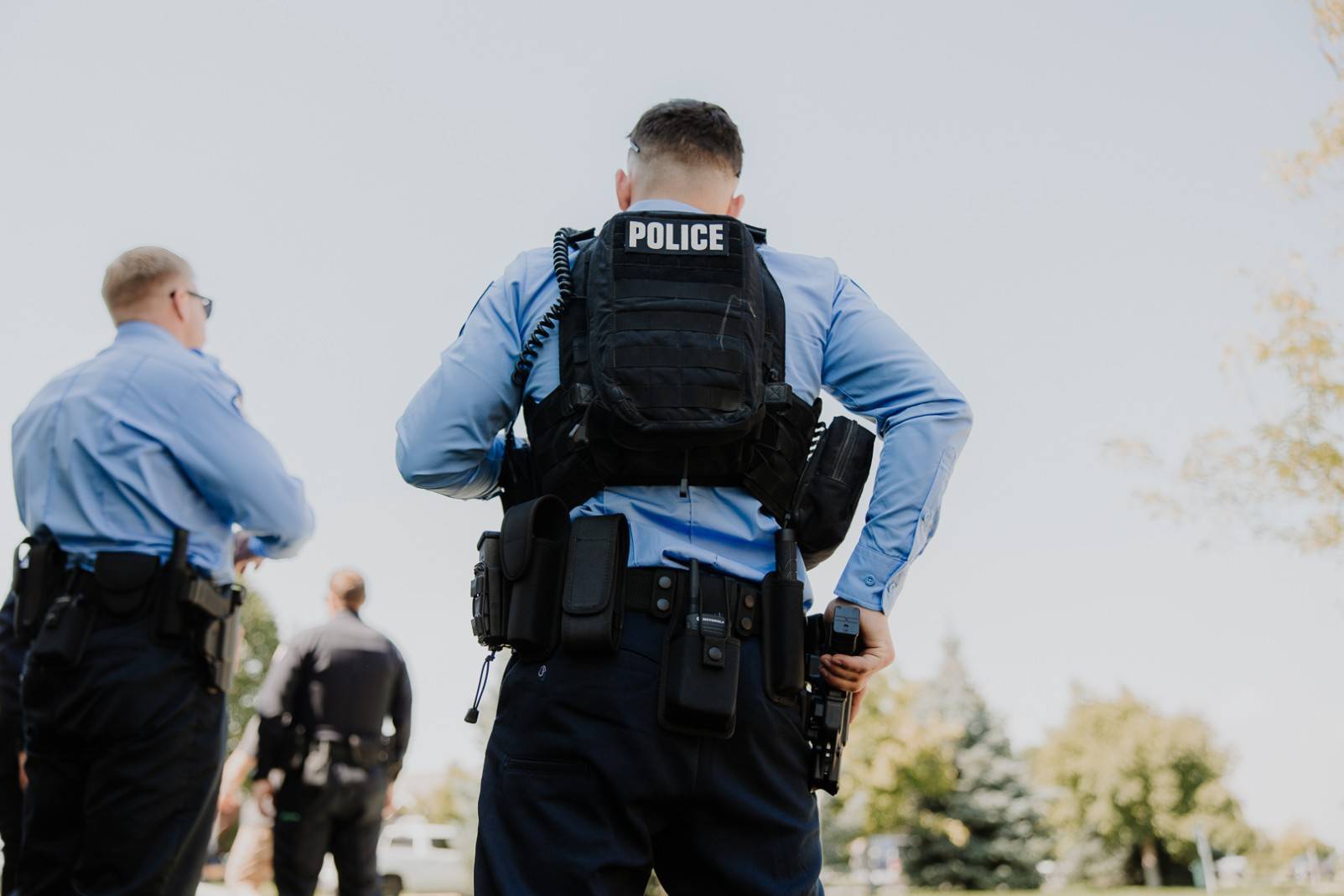
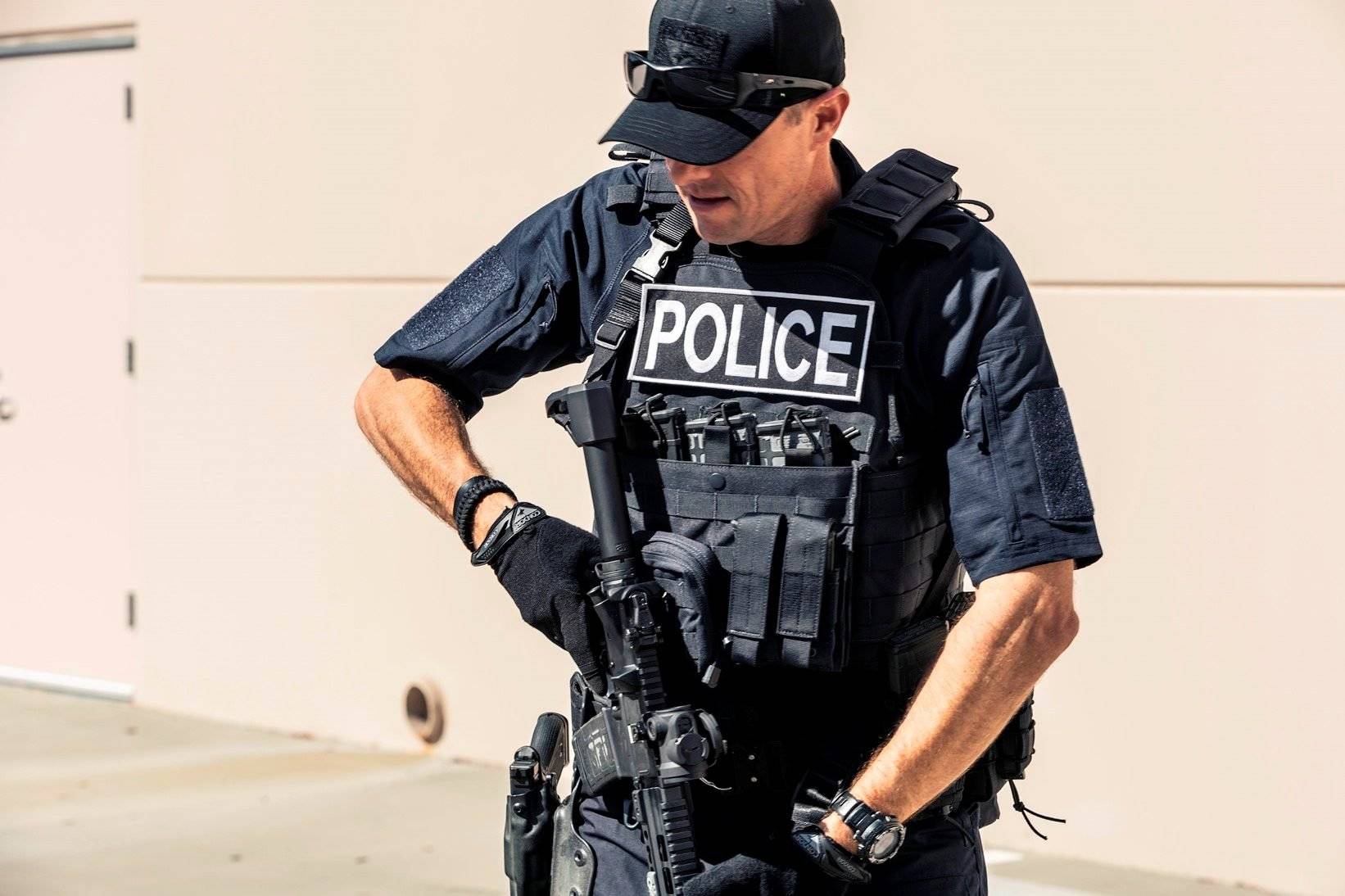
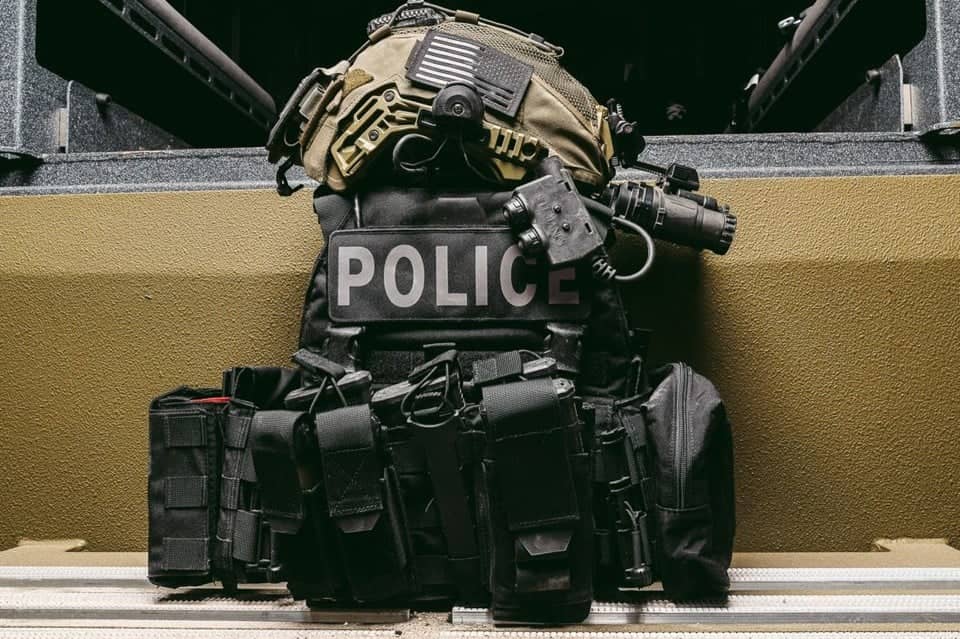
Tactical situations are often chaotic. Identifying friend from foe is critical. Plate carriers provide ample space for large ID patches (POLICE, SHERIFF, SWAT) on both the front and back. This high-visibility identification helps prevent blue-on-blue incidents and clearly announces authority to the public.
Furthermore, cable management features on carriers help route radio wires and hydration tubes. Loose cables are a snag hazard and can disrupt communications. Carriers like the First Tactical Specialist Plate Rack often include built-in channels or velcro loops to secure these lines, keeping the operator streamlined and ensuring comms are always open.
Selecting the Right Gear for the Job
Choosing a plate carrier is a decision that requires careful consideration of your specific duties.
For Versatility and Budget: If you need a proven system that can handle a wide variety of pouches and armor types without breaking the bank, the Condor MOPC Modular Operator Plate Carrier is a staple in the industry. It is widely adopted because it simply works.
For Immediate Protection: If your priority is a turnkey solution that includes soft armor protection right out of the box, the Galls GTAC Plate Carrier with XPIIIA Armor simplifies procurement and ensures a baseline of safety immediately.
For Speed and Agility: For operators focused on speed, active shooter response, and minimizing weight, the Shellback Tactical Rampage 2.0 Plate Carrier offers modern, laser-cut technology in a highly mobile package.
For Load Bearing: If your loadout is heavy and requires superior weight management, the First Tactical Specialist Plate Rack offers the structural support needed to carry the weight comfortably over long periods.
Reality of Modern Policing

The transition to plate carriers in law enforcement is not a trend; it is a response to the reality of modern policing. These systems provide the necessary ballistic protection to survive rifle threats, the modularity to adapt to changing mission profiles, and the ergonomics to keep officers effective during extended operations.
By investing in high-quality law enforcement gear, you’re investing in a life-saving asset that strengthens your ability to serve while protecting you in the line of duty. In a profession where reliability is non-negotiable, make sure your armor system is as dedicated to the mission as you are.
Additional Considerations
Not every agency has transitioned to external carriers. However, for those using an external carrier, it’s important to evaluate how your gear is set up.
Plate carriers do not come with rifle plates; those must be purchased separately. If your agency is already investing in rifle-rated plates and utilizing external carriers, consider moving away from maintaining both an external carrier and a separate active shooter kit. Instead, integrate those rifle plates directly into the carrier worn daily to ensure consistent, full-coverage protection 24/7.
It’s also important to think through equipment placement. For example, if your body camera is mounted on your external carrier, adding another plate over it may obstruct recording. While this may be understandable from a protection standpoint, video documentation is critical in today’s environment, and the absence of footage can raise concerns. Agencies should carefully evaluate how a transition like this affects camera placement and overall equipment configuration.
As departments move away from active shooter kits reserved for high-risk situations and transition to an everyday external carrier that integrates both soft armor and rifle-rated plates, training becomes critical. Officers can develop muscle memory by consistently training and operating with the same configuration and weight. Rather than transitioning from a duty belt to a tactical vest during critical incidents, officers train with the weight, respond with the weight, and are better prepared to prevail in a fight.
Frequently Asked Questions
What is a plate carrier used for?
A plate carrier is designed to hold hard armor plates while providing a modular platform for carrying mission-essential equipment, such as rifle magazines, radios, medical kits, and other accessories. It's commonly used by law enforcement tactical teams, military personnel, and security professionals operating in high-risk environments.
What's the difference between a plate carrier and a tactical vest?
A plate carrier is built specifically to carry hard armor plates for ballistic protection against rifle threats, while a tactical vest or load-bearing vest may focus primarily on carrying equipment and may not provide ballistic protection. Some external carriers can also accommodate soft armor, depending on the design.
Do plate carriers come with armor plates?
Most plate carriers are sold without hard armor plates. Before purchasing, verify whether the carrier includes soft armor, hard plates, or only the carrier itself, and ensure any armor you select is compatible with the carrier's size and design.
Are lightweight plate carriers durable enough for professional use?
Yes. Many modern plate carriers use high-strength materials and laser-cut laminate construction to reduce weight without sacrificing durability. The best option depends on your operational needs, expected load, and work environment.
How do I choose the right plate carrier?
Consider your mission, required level of protection, plate compatibility, adjustability, modularity, and load-bearing needs. Patrol officers, tactical teams, and security professionals may have different equipment requirements, so select a carrier that supports your specific role and department policies.
Can plate carriers be customized?
Yes. Most modern plate carriers feature MOLLE or similar attachment systems that allow users to add magazine pouches, medical kits, utility pouches, radios, hydration carriers, and other accessories. This modularity makes it easy to tailor your loadout to different missions or assignments.
Related Posts

Disclaimer: The information in this blog post is for general informational purposes only and should not be taken as legal, regulatory, safety, or professional advice. Galls, LLC and its affiliates (collectively, the “Company”) distribute public safety and law enforcement products but do not manufacture the items discussed. All product details are based on manufacturer-provided information and have not been independently verified by Galls. We make no warranties regarding the accuracy or completeness of such information. Readers should consult the respective manufacturer or regulatory authority for the latest details.
For more detailed information, visit our Disclaimer Page.
 Item Added to Cart!
