



 Popular Categories
Layering 101: Building a First Responder Uniform for All Seasons

As a first responder, your work environment is unpredictable. You face dynamic and high-pressure situations that can change in an instant, and the weather is no exception. A shift can start in the cool morning air, heat up under the midday sun, and end with an unexpected downpour or a sudden drop in temperature. Your uniform must perform as reliably as you do, adapting to any condition without hindering your ability to act. This is where a strategic layering system becomes essential.
Building a versatile, all-seasons uniform is about more than just owning a good jacket. It’s about creating a system of apparel that works together to manage moisture, regulate temperature, and protect you from the elements. A proper layering system ensures you can maintain focus on the mission, not on being too hot, too cold, or too wet. This guide provides the fundamentals of layering for public safety professionals and highlights specific gear designed to help you build a reliable, weather-ready uniform for any operational environment.
The Core Principles of Layering
An effective layering system is built on three distinct components: the base layer, the mid-layer, and the outer layer. Each layer has a specific function, and together they create a microclimate around your body that you can adjust by adding or removing pieces as conditions change.
Base Layer: This layer sits next to your skin. Its primary job is to wick moisture (sweat) away from your body to keep you dry. A dry body is better able to regulate its temperature, preventing you from getting chilled in the cold or overheating in the heat.
Mid-Layer: This is your insulation layer. Its purpose is to trap your body heat to keep you warm. The thickness and material of your mid-layer will vary depending on the temperature and your activity level.
Outer Layer (Shell): This is your protection from the elements. The outer layer shields you from wind, rain, and snow. Ideally, it should be both waterproof and breathable, allowing moisture from your inner layers to escape while preventing external moisture from getting in.
Mastering this system allows for immediate response to changing weather, ensuring you remain comfortable, mobile, and ready for any call.
Building Your System: Essential Base Layers
The foundation of any layering system is the base layer. Its role in moisture management is critical for comfort and performance throughout your shift. Choosing the right base layer depends on the expected temperature and your personal preference for fit and material.
For Warm to Hot Conditions
In warm weather, your base layer should focus on maximum breathability and rapid moisture-wicking to keep you cool.
Under Armour Tactical HeatGear Compression T-Shirt
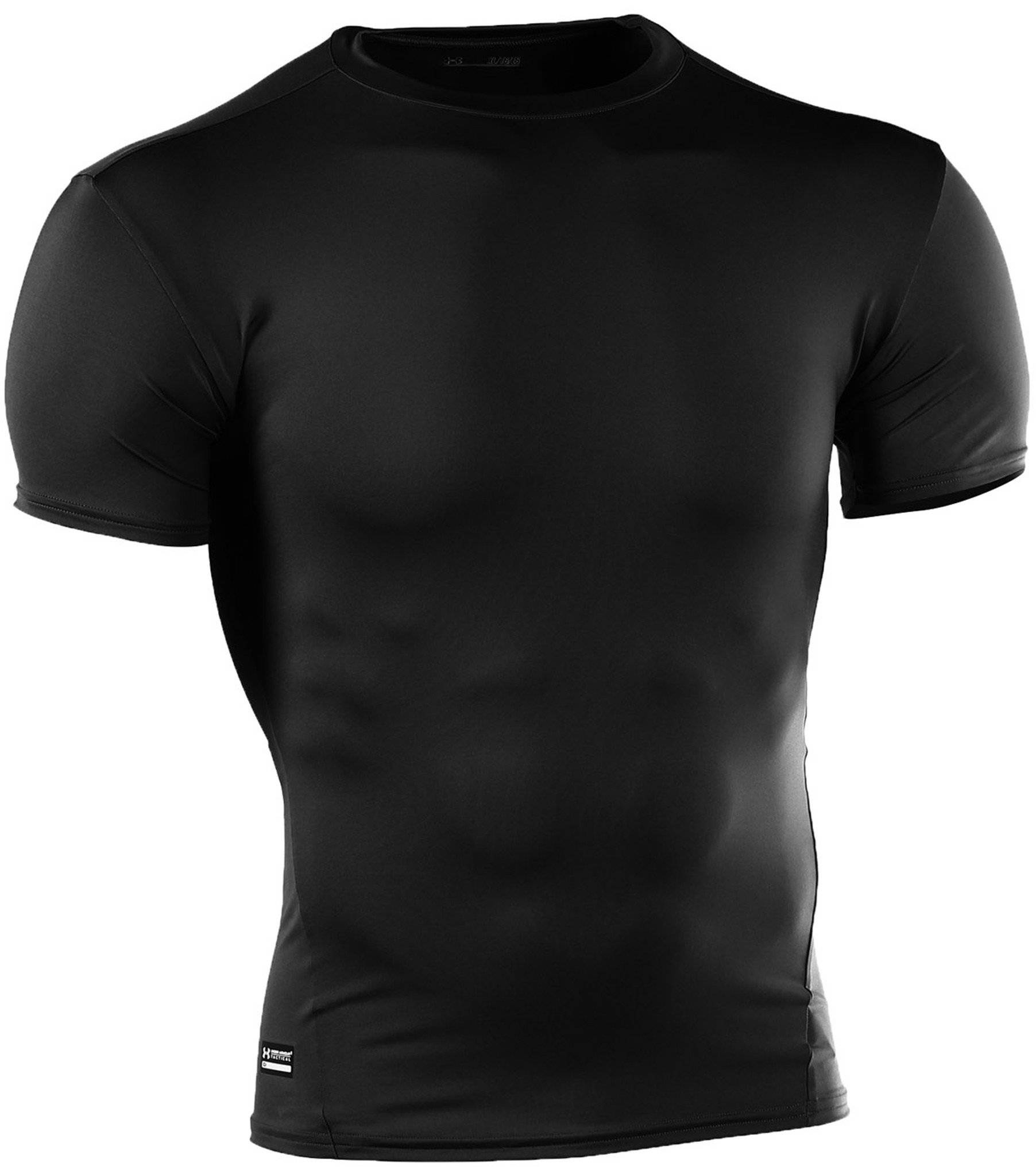
Under Armour's HeatGear fabric is engineered to pull sweat away from your skin and transport it to the surface of the fabric, where it can evaporate quickly. The compression fit of this t-shirt acts like a second skin, supporting your muscles and enhancing circulation without restricting movement. Its lightweight construction makes it an ideal starting point for any warm-weather uniform, worn comfortably under a polo or combat shirt.
For Cool to Cold Conditions
When the temperature drops, your base layer needs to do more than just manage moisture—it also needs to provide a foundational level of insulation.
Under Armour Men's Tactical ColdGear Infrared Base Mock
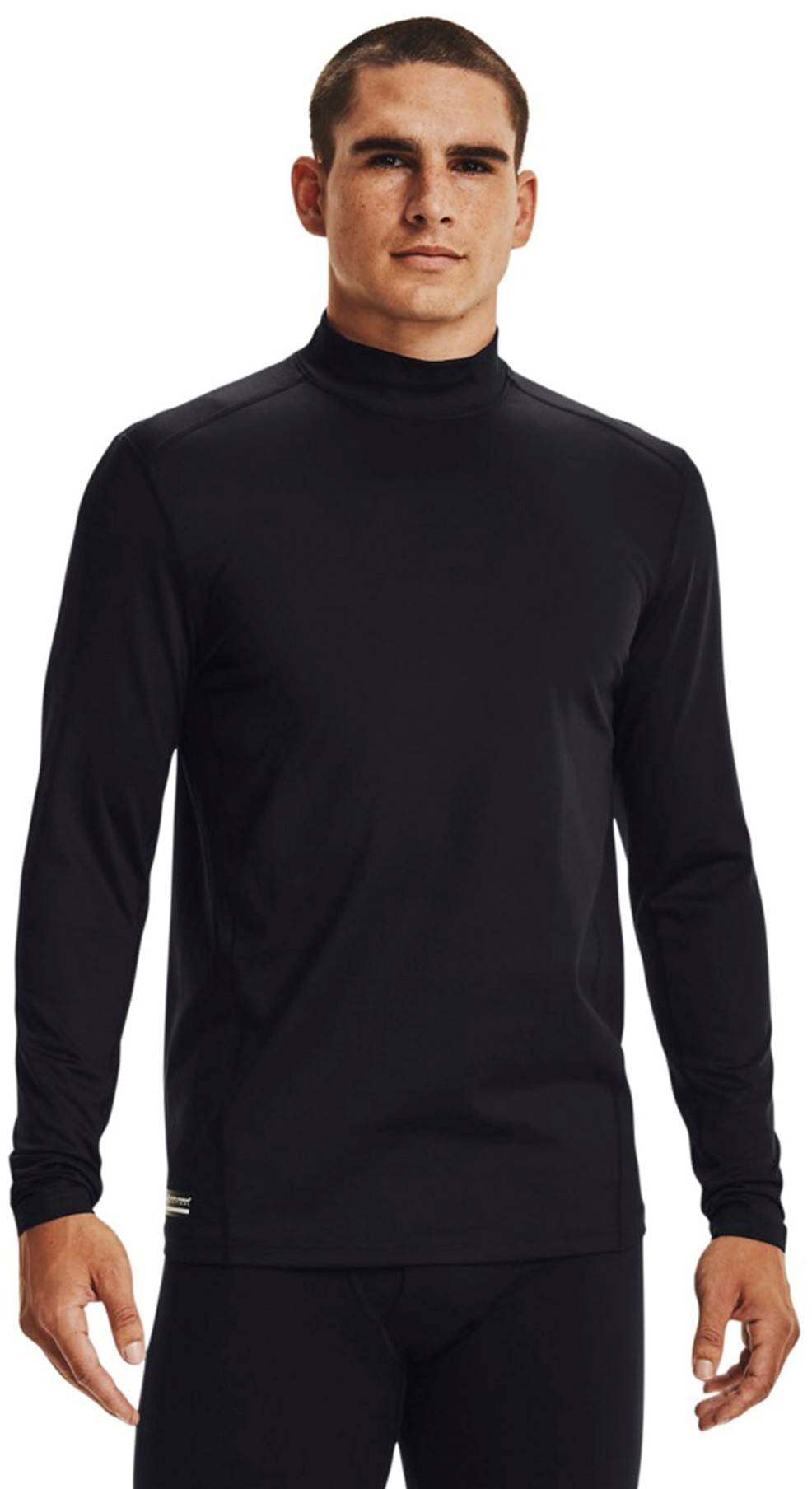
This base layer is designed for cold-weather operations. The mock turtleneck design provides extra neck coverage, sealing out drafts. The fabric is engineered to trap a thin layer of warm air against your skin while continuing to wick moisture, ensuring you stay both warm and dry even during strenuous activity.
Under Armour Men's Base 4.0 Leggings
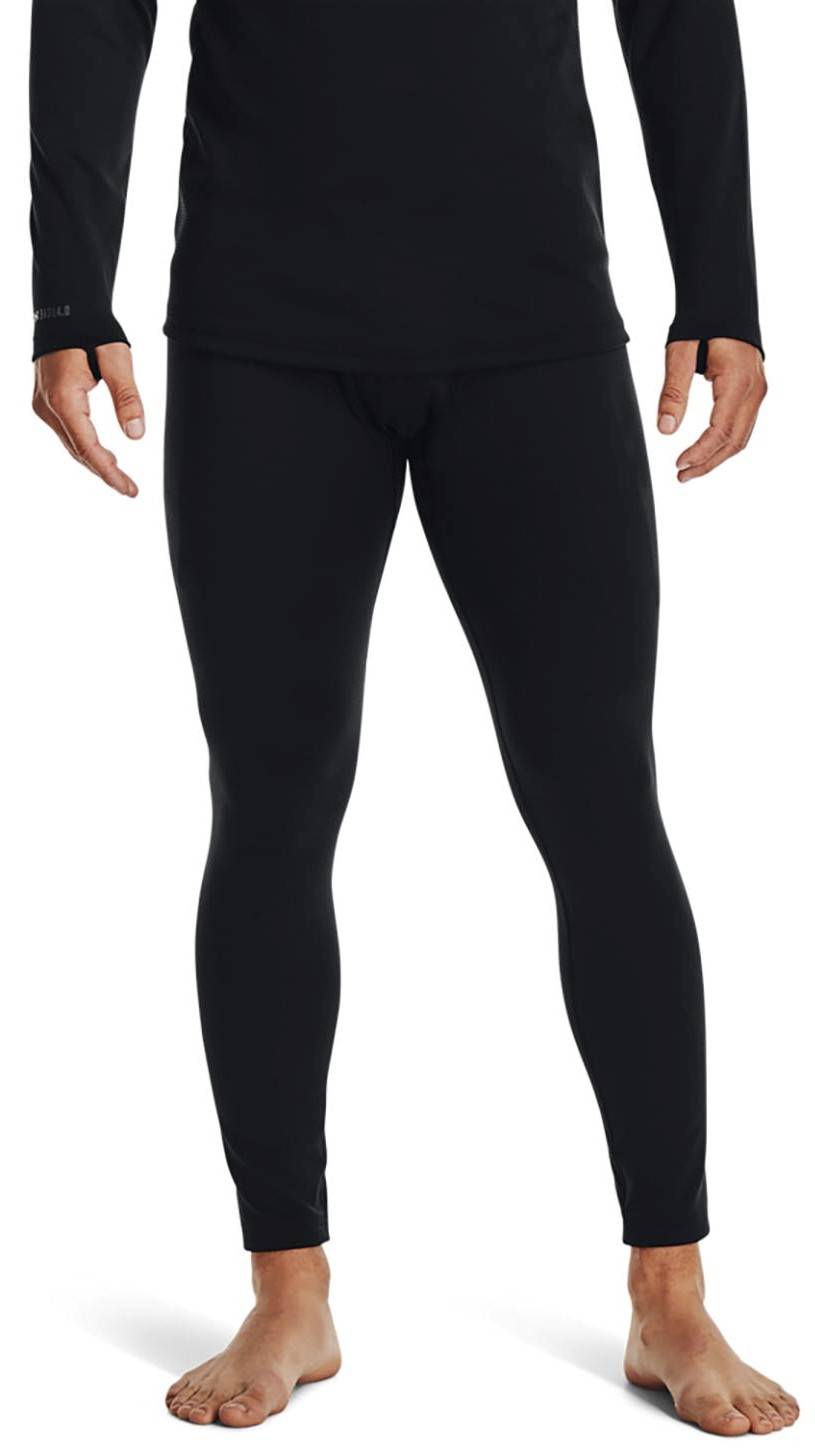
Your lower body is just as important in a layering system. The UA Base 4.0 Legging is built for extreme cold. It features a unique pattern that traps heat without adding bulk, allowing you to wear it comfortably under your standard uniform trousers. The moisture-wicking technology is essential for preventing the chilling effect that can occur when sweat cools against your skin.
The Versatile Mid-Layer: Your Insulation Engine
The mid-layer is your primary tool for adapting to temperature fluctuations. These garments are designed to be added or removed with ease, allowing you to fine-tune your insulation level as the day progresses.
Lightweight and Professional Options
For daily duty in mild to cool conditions, a professional-looking mid-layer that can be worn as a primary uniform shirt is an excellent choice.
Galls Pro Men's Long Sleeve Tac Force Mesh Polo
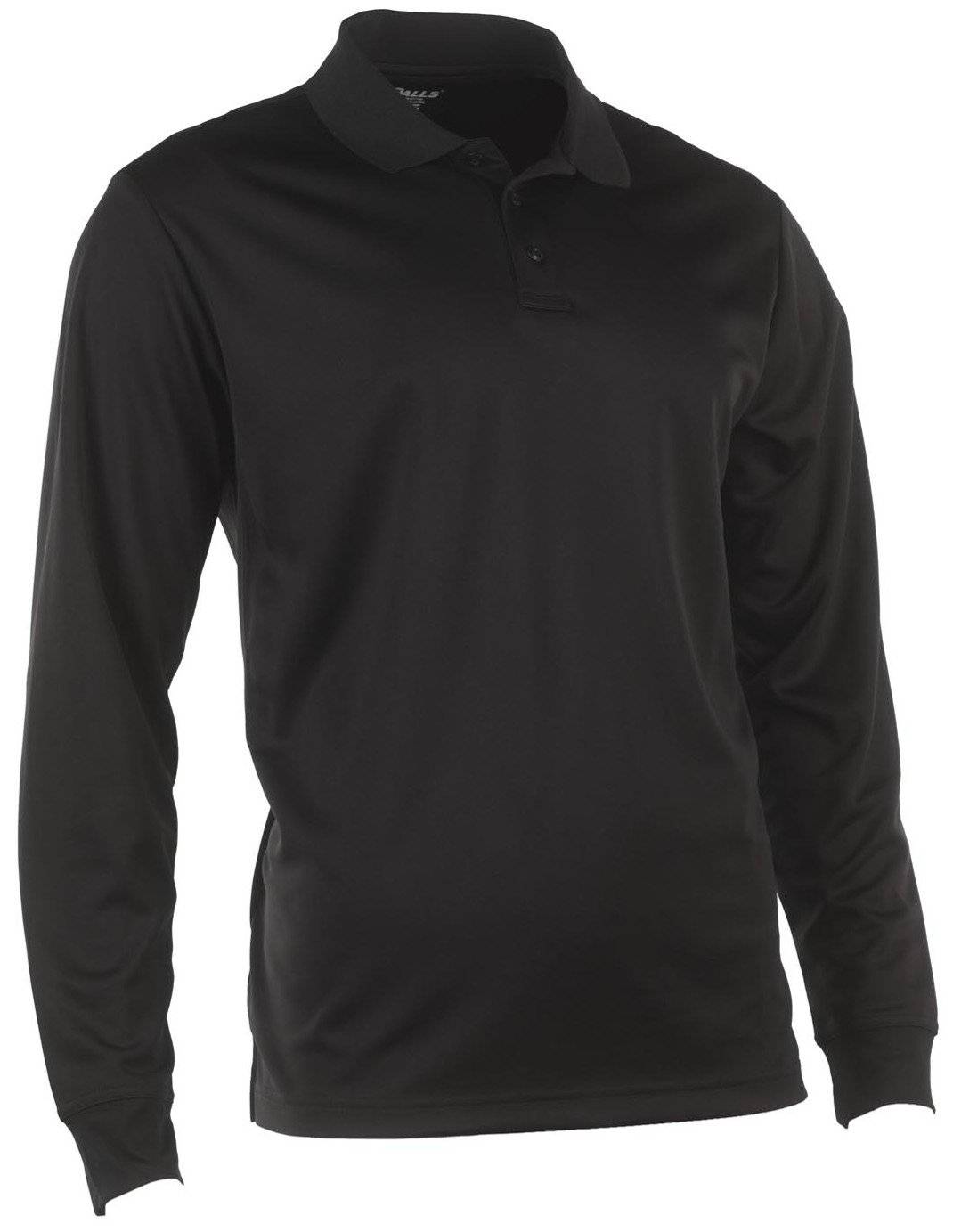
This long-sleeve polo offers a step up in warmth from a standard short-sleeve shirt while maintaining a sharp, professional appearance. The Tac Force Mesh Polo is constructed from a moisture-wicking polyester fabric with mesh panels under the arms for enhanced ventilation. It functions perfectly as a standalone shirt in mild weather or as a substantial base layer under a sweater or jacket when temperatures fall.
Condor Long Sleeve Combat Shirt Gen II
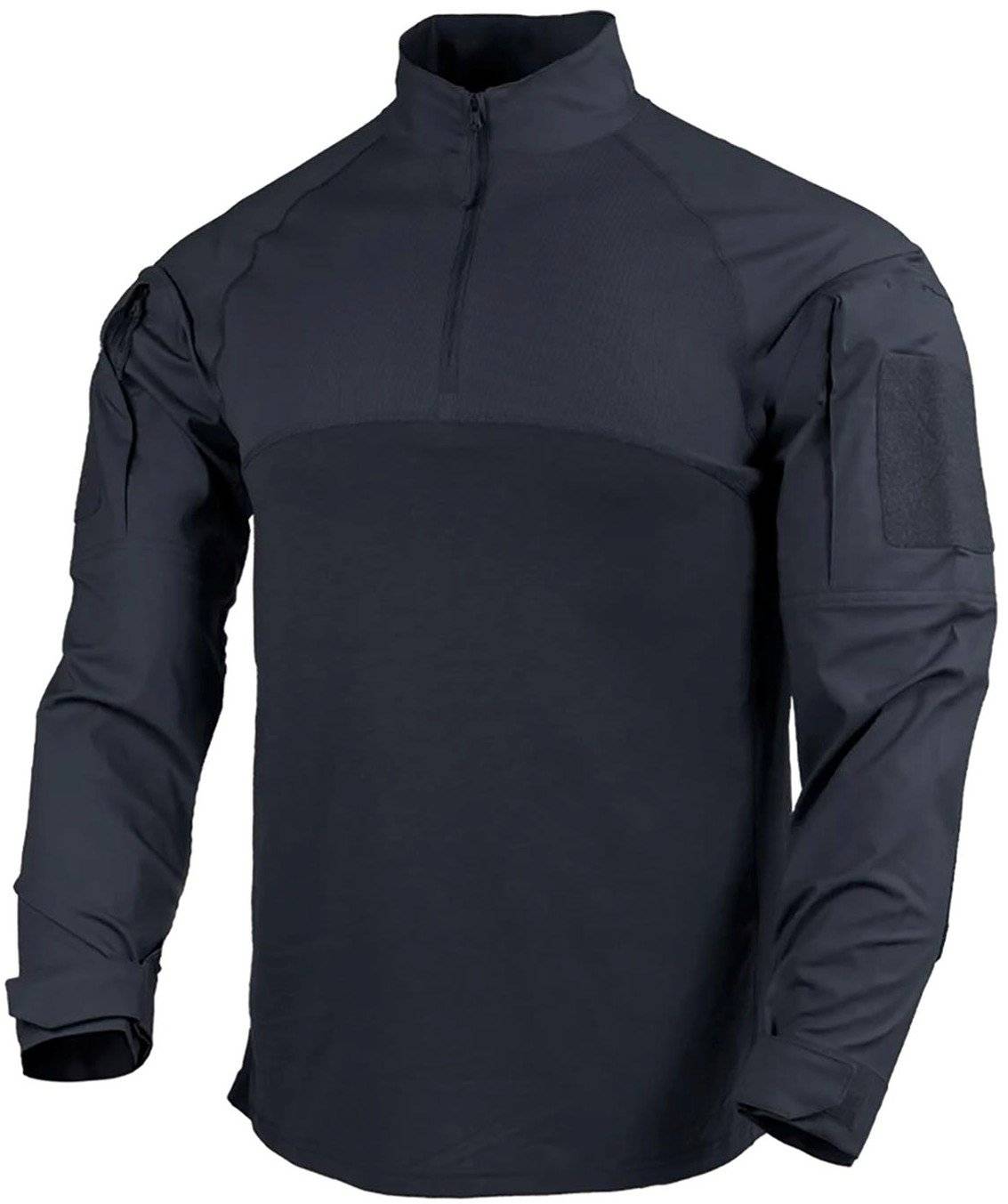
When wearing body armor, a combat shirt is an indispensable mid-layer. The CONDOR Combat Shirt features a moisture-wicking, breathable torso made of a soft knit material to prevent chafing under your vest. The sleeves are made from a durable ripstop fabric, providing the look and function of a standard duty uniform shirt. This hybrid design delivers comfort where it’s needed most while ensuring a professional appearance and abrasion resistance on your arms.
Heavier Insulation for Colder Days
When the cold truly sets in, you need a mid-layer with more substantial insulating properties.
Galls Commando V-Neck Acrylic Sweater
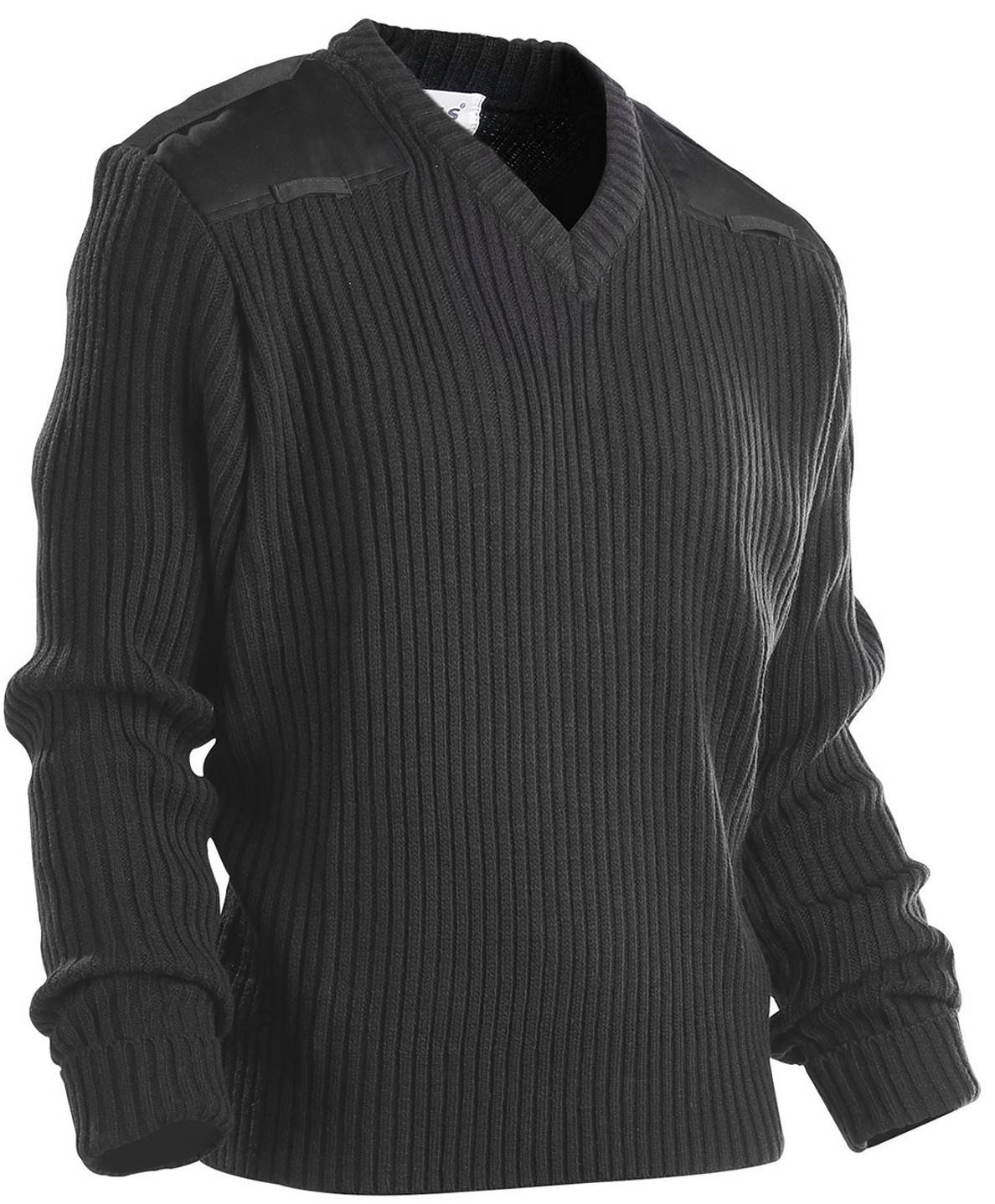
A classic for a reason, the Commando Sweater offers significant warmth with a professional look. The tight-knit acrylic fabric traps heat effectively, while reinforced shoulder and elbow patches add durability for on-duty wear. This sweater can be worn over a polo or base layer and fits cleanly under an outer jacket, providing a robust layer of insulation for cold-weather patrols.
Flying Cross DutyGuard HT Pullover
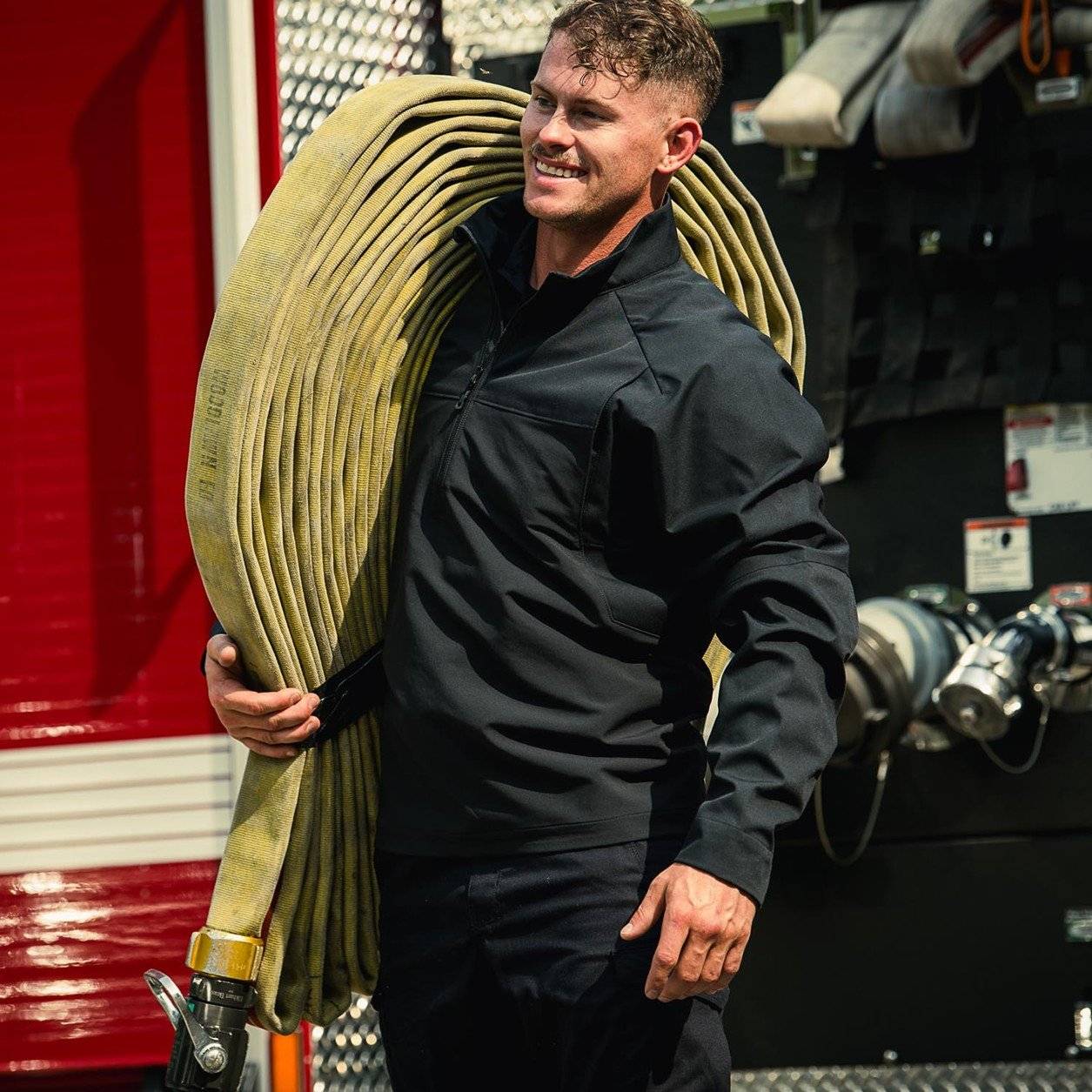
This half-zip pullover is a highly versatile mid-layer. It can be worn as a standalone outer garment in cool, dry weather or as an insulating layer in more severe conditions. The soft, brushed interior feels comfortable against the skin or over a base layer, and the half-zip design allows for easy ventilation if you start to overheat. Its athletic cut ensures a full range of motion.
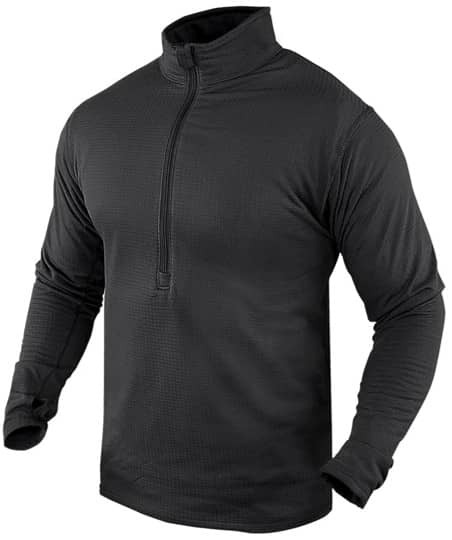
Fleece is a superior insulating material because its synthetic fibers trap a large amount of air for its weight. The CONDOR Base II Pullover is a prime example of an effective fleece mid-layer. The grid fleece pattern is designed to provide warmth while also enhancing breathability, creating air channels that help move moisture away from your body. The zippered collar allows you to vent excess heat or seal in warmth as needed.
The Outer Layer: Your Shield Against the Elements
The outer layer, or shell, is your first line of defense against wind, rain, and snow. An effective outer layer must be durable, weather-resistant, and designed to accommodate the layers beneath it without restricting movement. When choosing an outer layer, it should either be thin yet warm enough to fit comfortably under your external vest, or insulated enough to wear over it. If you plan to wear it over your vest, think through how that change affects your gear setup.
Ask yourself:
- Will your body camera still be visible?
- Can you easily access the items on your vest?
- Will your radio mic need to be repositioned?
You may only rely on these layers occasionally—such as during long scenes—but they’re invaluable on a cold highway crash response or an extended winter search for a suspect.
Tips:
- It’s always easier to remove layers than to stop and find time to add more.
- Keep your head, hands, and feet warm. If those areas are cold, you won’t be comfortable no matter how many layers you’re wearing. Don’t overlook the importance of small accessories.
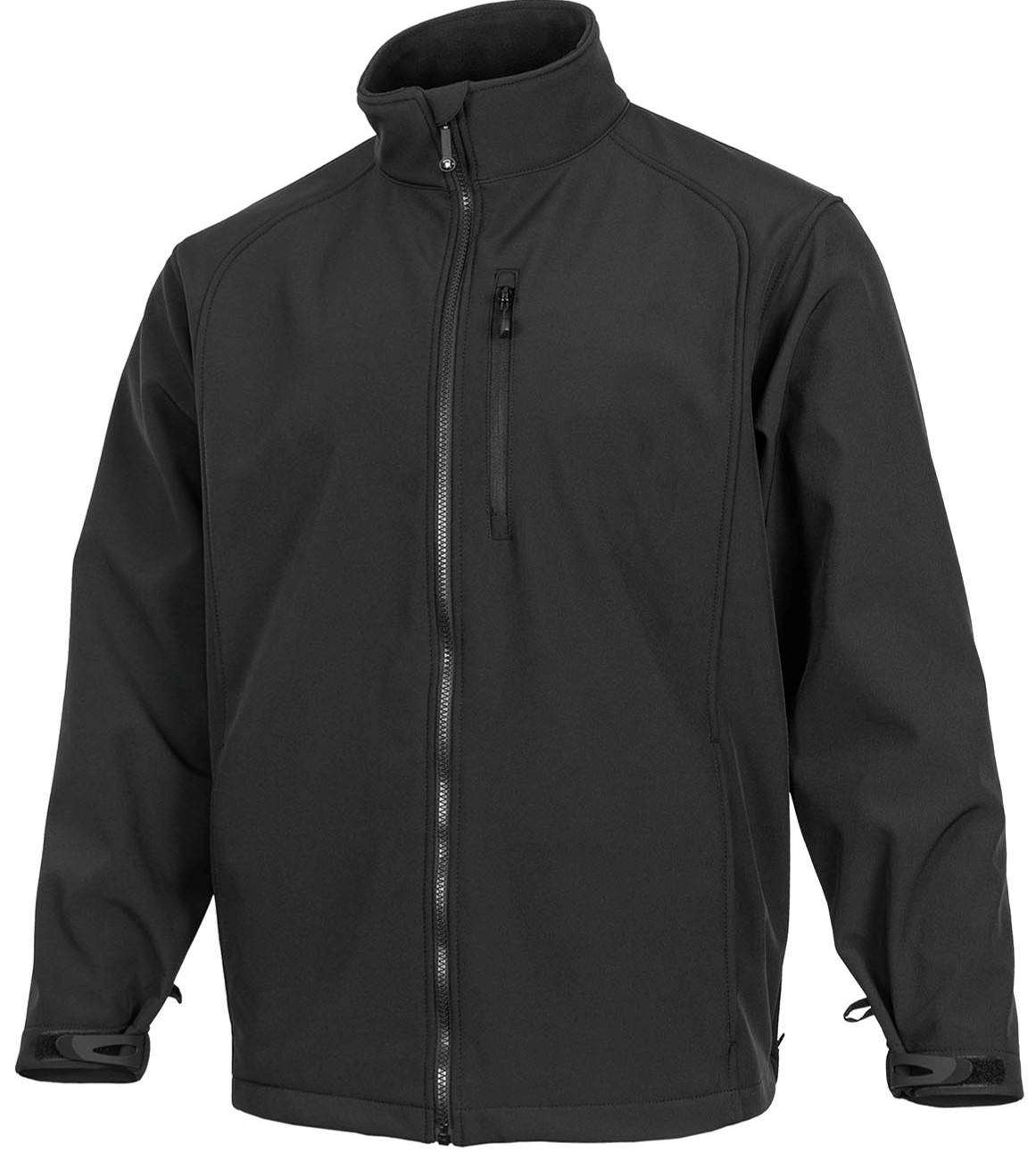
The soft shell jacket is arguably one of the most versatile pieces of outerwear for a first responder. The Galls Soft Shell Jacket is designed to be both wind and water-resistant, providing protection against the most common weather challenges. Unlike a traditional hard shell, the soft shell fabric has some stretch, offering superior mobility for physical tasks. Its fleece lining provides a degree of insulation, making it suitable as a standalone jacket in cool weather or as an outer layer over a fleece or sweater in colder conditions. It bridges the gap between a mid-layer and a heavy-duty parka, making it a go-to choice for much of the year.
Elbeco Shield Performance Softshell Jacket
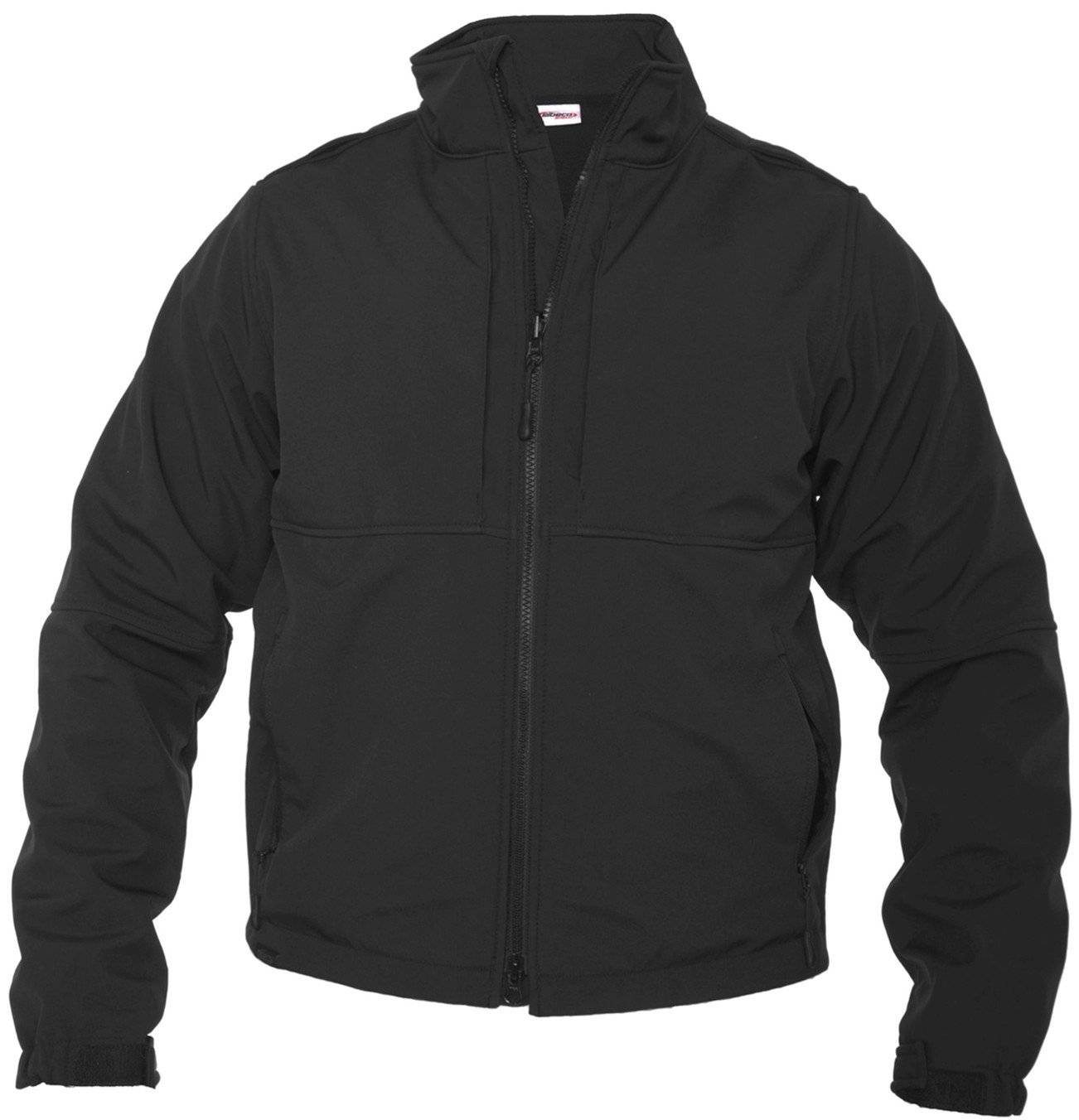
Engineered for public safety professionals who require dependable protection in varied environments, the Elbeco Shield Performance Softshell Jacket delivers reliable wind and water resistance. Its performance softshell fabric is designed to maintain a professional appearance while ensuring comfort and mobility throughout your shift. Multiple pockets provide secure storage for essential gear, while adjustable features support a tailored fit over other layers. This jacket exemplifies quality and resilience, supporting rapid deployment in unpredictable weather.
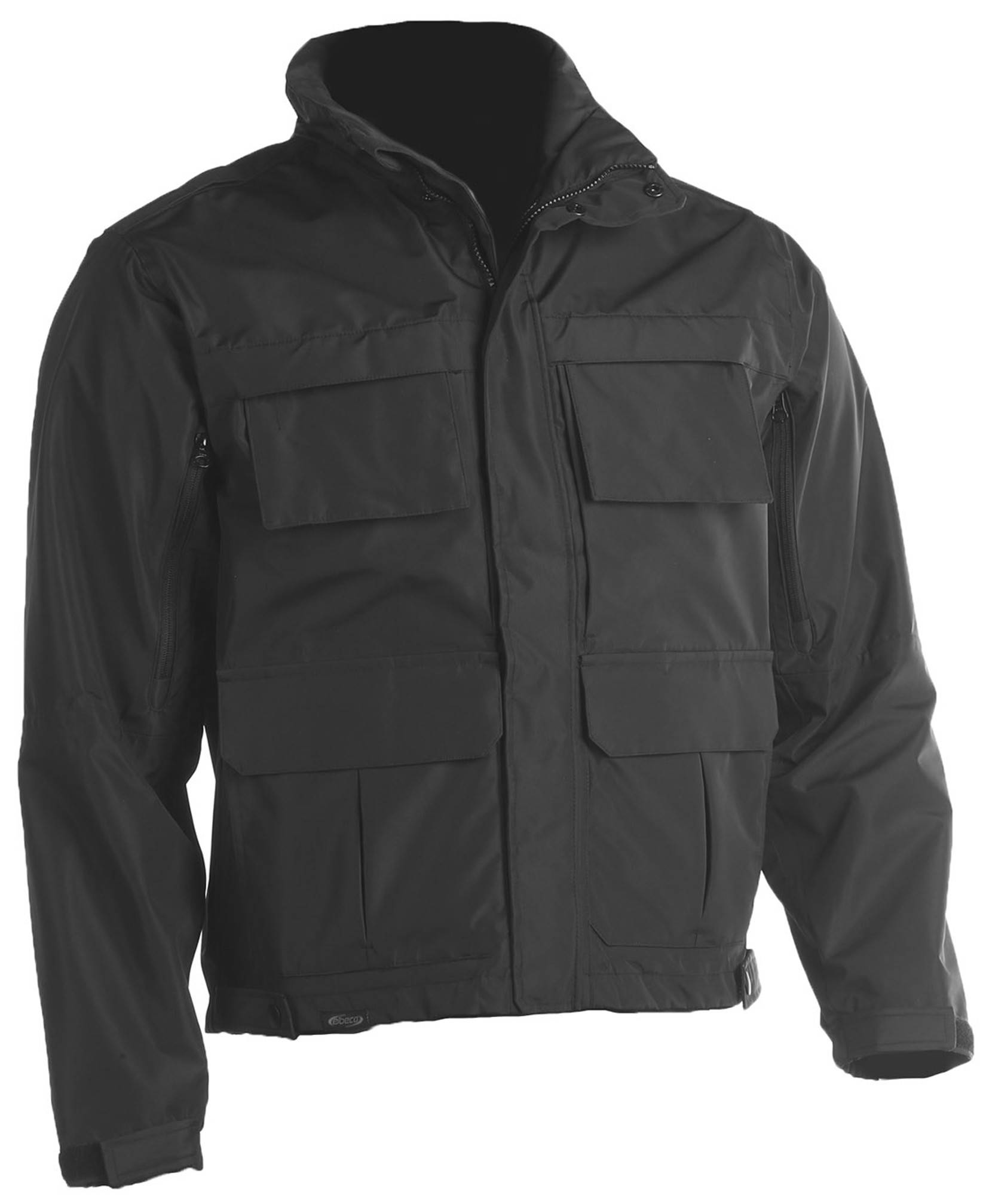
Designed as a versatile, modular system that adapts to a wide range of duty conditions. It integrates seamlessly with other Shield System components, which can be attached or worn separately to add warmth, enhance visibility, and increase overall protection. Sold individually for convenience, each piece allows you to build only what you need, making it easy to configure a comfortable, weather-ready setup tailored to the demands of the job.
Don't Forget the Extremities: Essential Accessories
An effective layering system isn't just about your torso. Protecting your head, hands, and feet is crucial for overall comfort and operational readiness. A significant amount of body heat is lost through these areas, and they are often the first to feel the effects of the cold.
Headwear
First Tactical Fleece Service Beanie
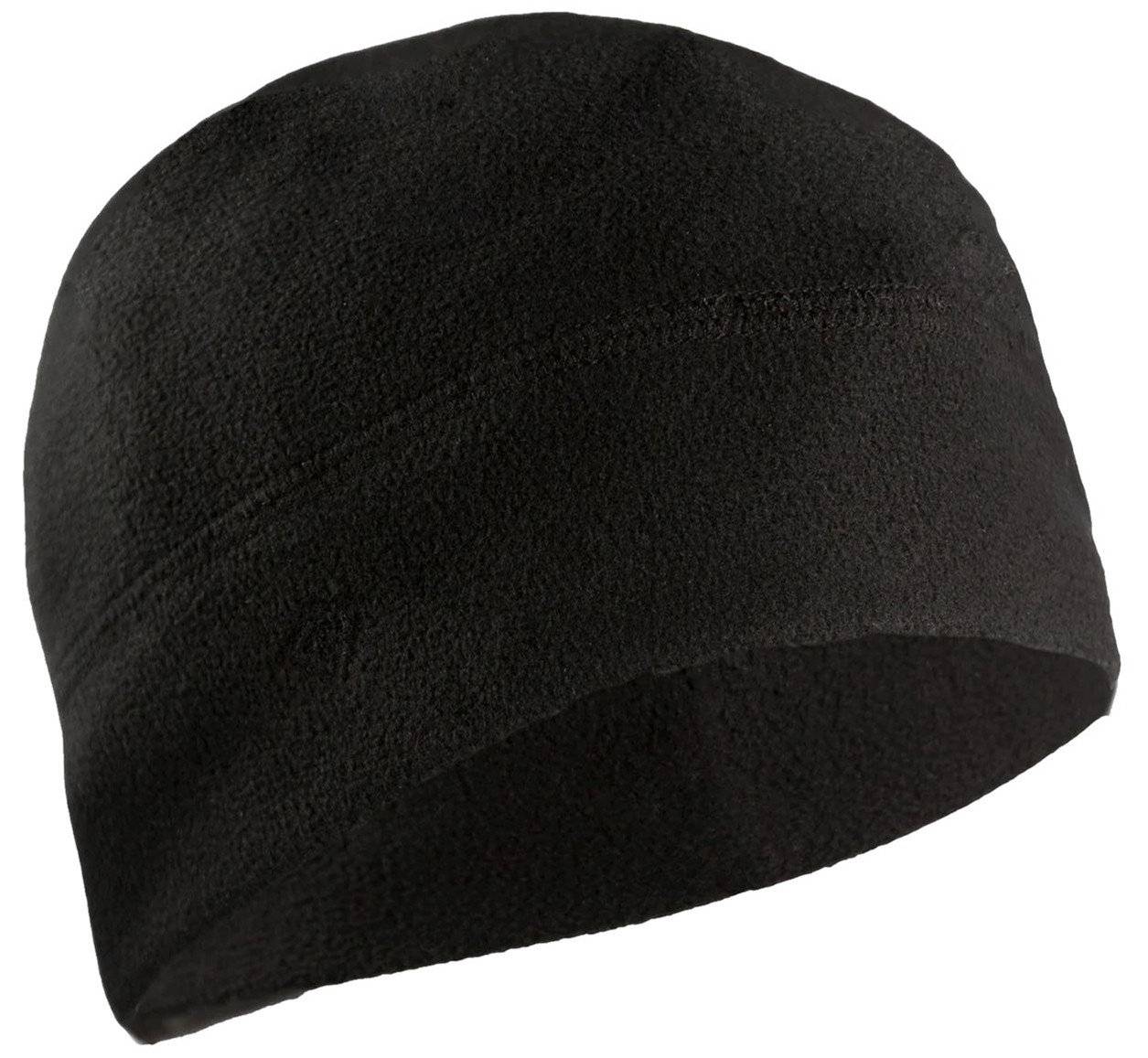
A simple yet highly effective accessory, a fleece beanie is essential for cold-weather duty. It provides critical insulation for your head, drastically reducing overall body heat loss. The Fleece Service Beanie is lightweight, easy to stow in a pocket when not in use, and can be worn comfortably under a helmet if required.
Gloves
LawPro Neoprene Gloves with KEVLAR
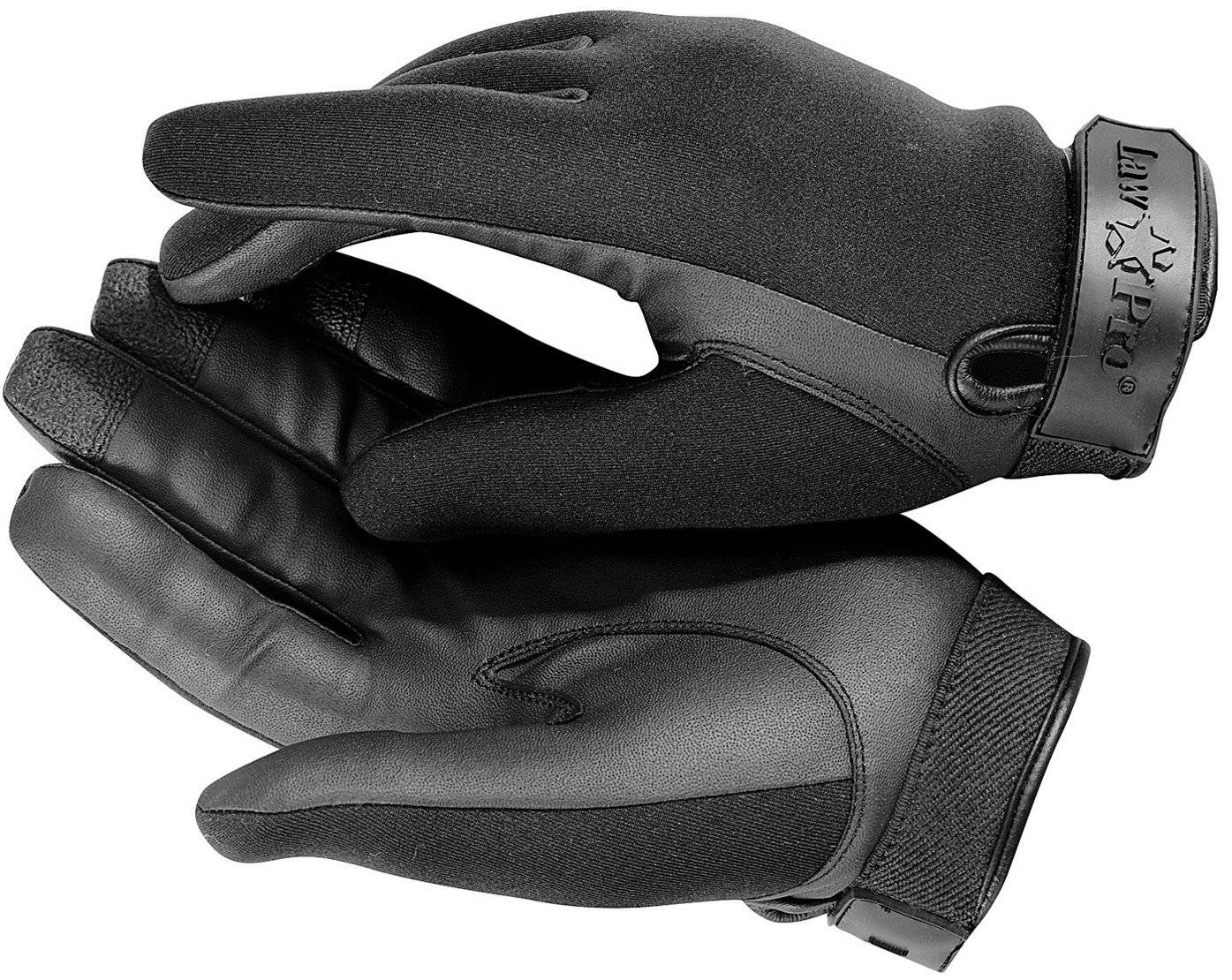
Your hands are vital tools, and you cannot afford for them to become cold and numb. The LawPro Neoprene Gloves provide a balance of insulation, dexterity, and protection. The neoprene material offers excellent insulation, even when wet, while the Kevlar lining provides a level of cut resistance. A well-designed glove keeps your hands warm without sacrificing the fine motor skills needed to operate equipment, write a report, or handle a weapon.
Footwear
Mission Made Boot Socks, 3 pack
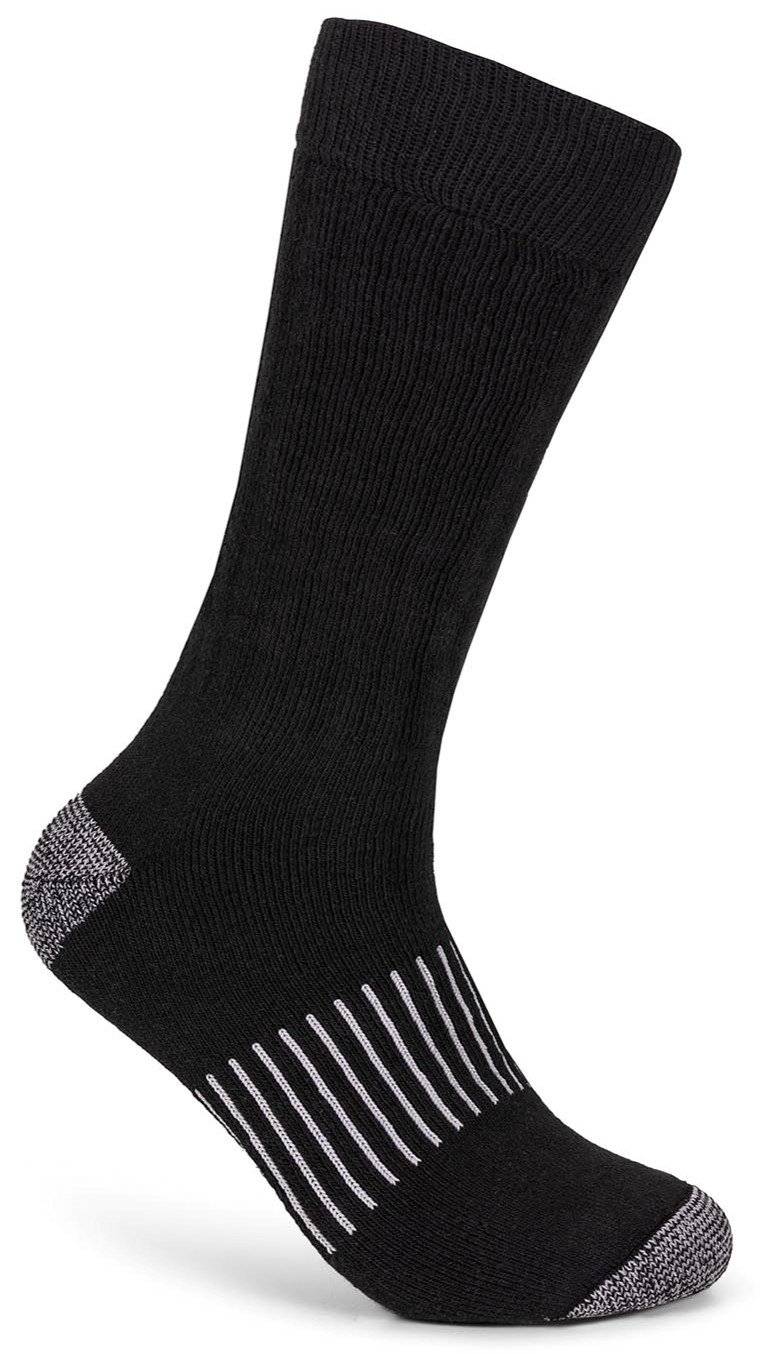
The foundation of foot comfort begins with the right socks. Cotton socks should be avoided, as they absorb sweat and lose all insulating properties, leading to cold, damp feet and blisters. The Mission Made Boot Socks are made from a blend of materials designed to wick moisture away from your skin, provide cushioning, and offer support during long shifts on your feet. Choosing a sock with the right thickness for the temperature and your boots is a critical, though often overlooked, aspect of your uniform system. Explore more top footwear options designed for rapid response in any emergency.
Practical Tips for Effective Layering
Anticipate and Adjust: Check the weather forecast before your shift. Start with fewer layers than you think you might need, but pack your mid and outer layers. It's easier to add a layer when you get cold than it is to cool down once you've started sweating heavily.
Ventilate: Use zippers on your mid and outer layers to regulate your temperature. Opening them up during periods of high activity will release excess heat and moisture, preventing you from soaking your base layers.
Avoid Overheating: Sweating through your layers is the enemy of warmth. If you feel yourself starting to overheat, remove a layer or ventilate before the sweat builds up. A damp base layer will chill you quickly once you stop moving. Discover why lighter tactical pants are essential for summer heat, delivering comfort, breathability, and performance.
Test Your System: Don't wait for an emergency call in a blizzard to figure out if your layering system works. Wear your gear in different conditions to understand how the pieces work together and what combinations are most effective for you.
Your uniform is a critical piece of equipment. By investing in a versatile system of high-quality layers, you ensure that you can perform your duties safely and effectively, no matter what the weather brings. From a moisture-wicking base layer to a protective outer shell, each component plays a vital role in keeping you ready for immediate response. Stay prepared, stay protected, and stay focused on the mission.
Related Posts

Disclaimer: The information in this blog post is for general informational purposes only and should not be taken as legal, regulatory, safety, or professional advice. Galls, LLC and its affiliates (collectively, the “Company”) distribute public safety and law enforcement products but do not manufacture the items discussed. All product details are based on manufacturer-provided information and have not been independently verified by Galls. We make no warranties regarding the accuracy or completeness of such information. Readers should consult the respective manufacturer or regulatory authority for the latest details.
For more detailed information, visit our Disclaimer Page.
 Item Added to Cart!
