



 Popular Categories
Patriot Day 2026: Honoring 25 Years of Courage, Service and Sacrifice After 9/11
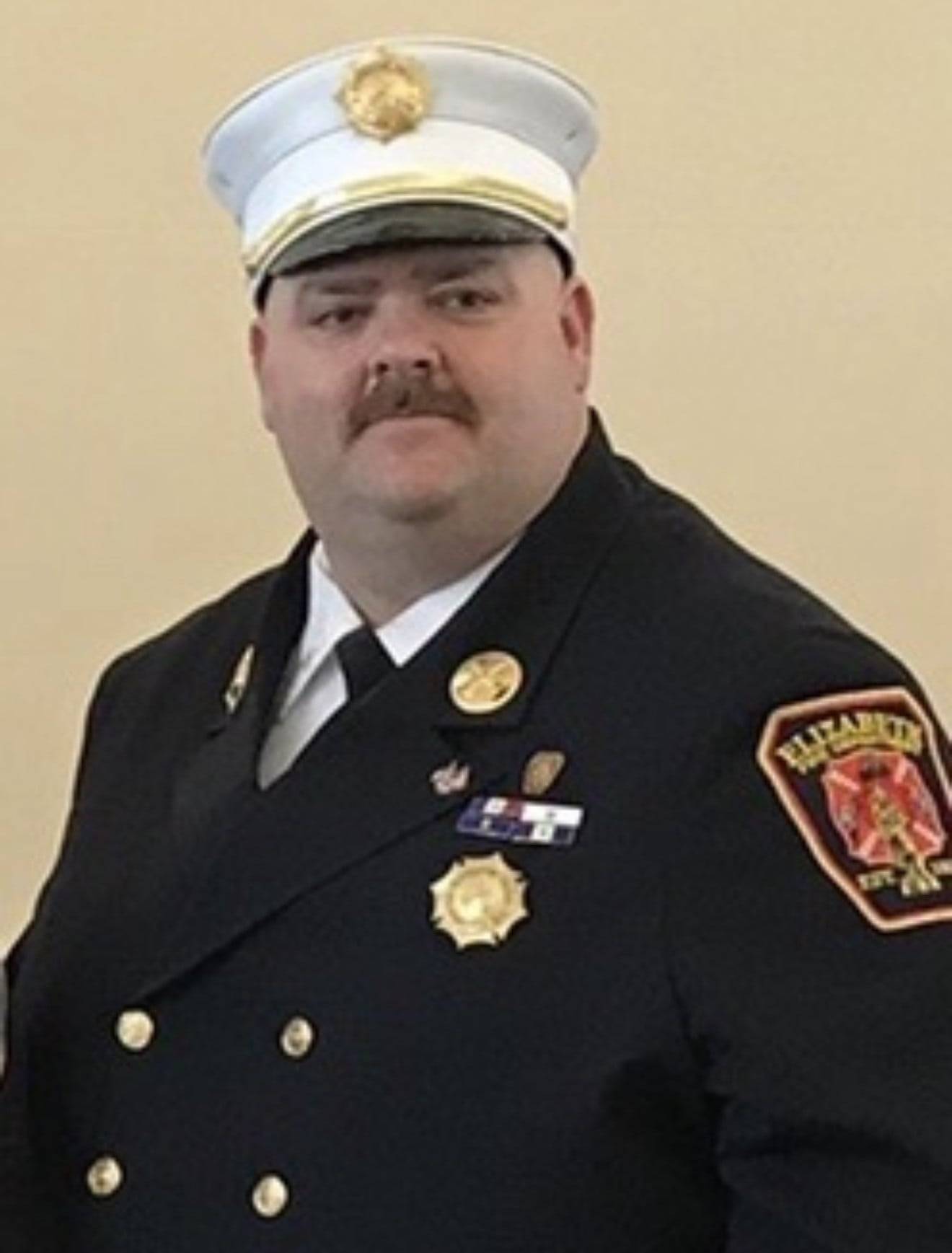
Patriot Day 2026 marks the 25th anniversary of the September 11, 2001 terrorist attacks. For those of us who responded that day, it is not a ceremonial date on a calendar — it is a lasting commitment to remember the fallen, care for the living, and make sure "Never Forget" is backed by action, not just words.
My name is Steve "Tiny" McConlogue. I'm a retired Battalion Chief with the City of Elizabeth, New Jersey Fire Department and a veteran member of New Jersey Task Force 1, our state's Urban Search and Rescue team. I also spent years in leadership with the Professional Firefighters Association of New Jersey (PFANJ) and IAFF Local 2040. But on September 11, 2001, I was none of those things yet. I was a firefighter with two and a half years on the job, a brand-new father, and a young husband trying to figure out how I was going to get my wife home from the hospital while the country I loved came under attack.
Twenty-five years later, as we mark Patriot Day 2026, I want to share what that day and the days that followed actually looked like from the ground — and why the anniversary still matters so much to those of us who lived it.
What Is Patriot Day and Why Does the 25th Anniversary Matter?
Patriot Day is observed every September 11 to honor the nearly 3,000 people killed in the terrorist attacks on the World Trade Center, the Pentagon, and aboard United Airlines Flight 93. In 2026, Patriot Day carries extra weight because it falls on the 25th anniversary of the attacks — a quarter-century milestone that many first responders, survivors, and families of the fallen will mark with memorial services, moments of silence, stair climbs, and public remembrance events across the country.
For me, and for thousands of other responders who worked at Ground Zero, the Pentagon, and the Shanksville crash site, Patriot Day isn't an abstraction. It's a day that forces us to relive some of the most painful — and most powerful — memories of our lives.
Where I Was When I Learned What Was Happening
I was off duty on September 11, 2001, because my wife had undergone emergency surgery the day before, following complications from the birth of our daughter a few months earlier. My shift was working, but I was home.
I first learned something was wrong through my department's radio scanner. I listened to it constantly when I was off duty, the way a lot of young firefighters do. That morning I heard our Battalion Chief, who was down at the Elizabeth waterfront with a clear view of the New York City skyline, ask our dispatcher to contact the FDNY. One of the Twin Towers was showing heavy smoke on the upper floors.
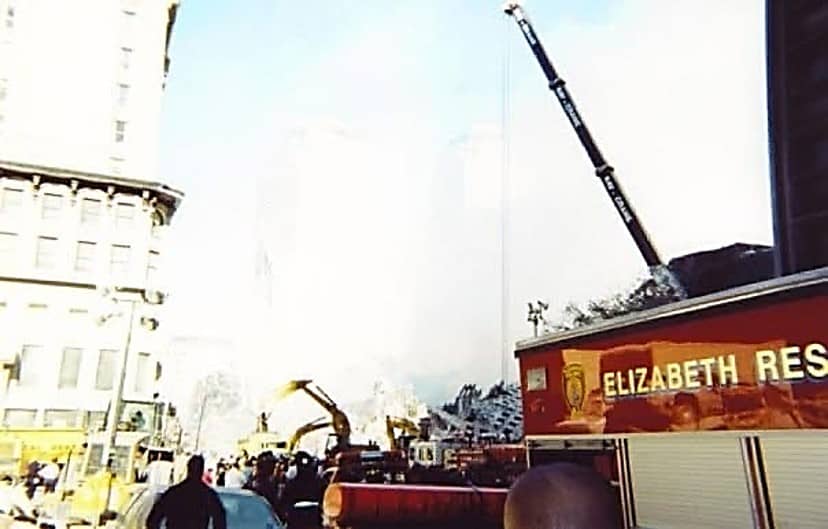
I turned on the television just in time to see the North Tower burning. My in-laws were at the house helping with the baby. As we watched, the second plane struck the South Tower.
I knew instantly that this was not an accident. We were under attack.
I was a young firefighter, a new husband, and a new father, watching an unimaginable event unfold a few miles from my living room. I had no idea how completely that morning would reshape my career, my fire service, my country, and my life.
Responding to Ground Zero: What I Remember Most
In the middle of the chaos, my Captain called to ask if I could report for duty. At almost the same moment, my wife called — the hospital was discharging her immediately as they braced for mass casualties expected across the river from New York.
While I scrambled to arrange getting my wife home and caring for our newborn, my duty Chief called to say our department was preparing to send resources into Manhattan, but the bridges and tunnels were locked down. Later that evening, our department finally made it into lower Manhattan the only way that was left — by commandeering a Staten Island Ferry.
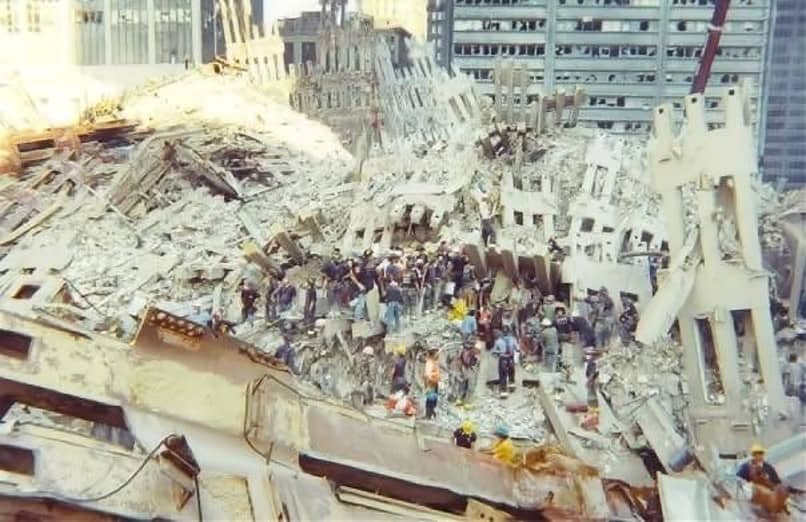
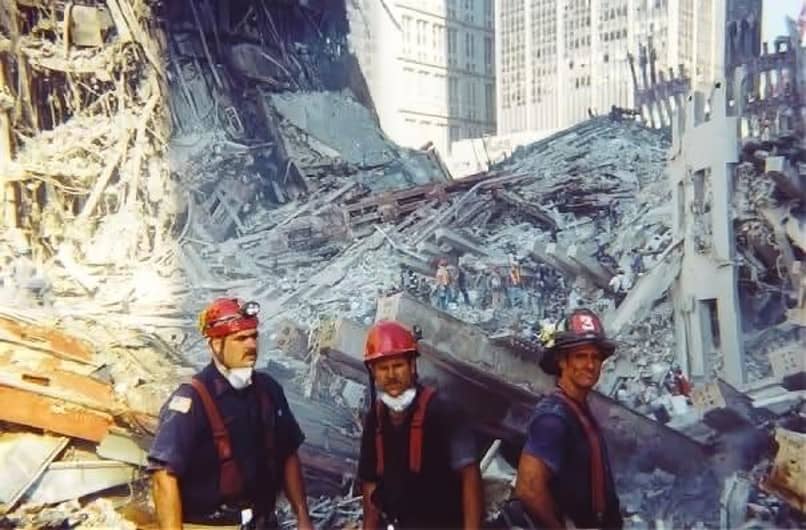
Our department ran around-the-clock shifts in Manhattan for roughly five days. My most vivid memory is arriving in Lower Manhattan, literally a block from where the South Tower had stood, near FDNY's famous Ten House. No photograph or news broadcast could convey the actual scale of "the pile." It was overwhelming in a way that's almost impossible to describe to someone who wasn't there.
On a nearby corner stood a men's clothing store with the word "MORGUE" spray-painted across it, with an arrow pointing the way. That image has never left me. Ask nearly any 9/11 responder, and they'll tell you they can still recall the taste and smell of lower Manhattan that week. It stays with you. It has stayed with me for 25 years.
Courage and Teamwork Among First Responders at Ground Zero
What I witnessed at Ground Zero remains one of the greatest examples of courage and teamwork I've ever seen. Thousands of first responders worked side by side, all holding onto the same hope — finding just one more person alive.
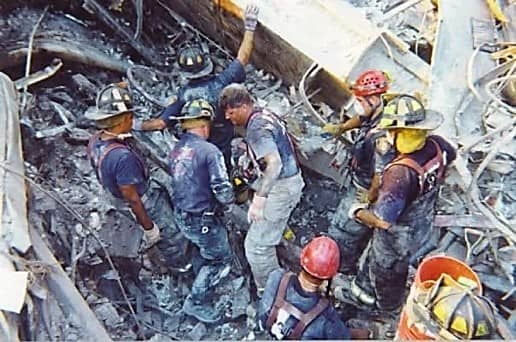
There has always been a strong brotherhood among firefighters, but at Ground Zero it felt different. Stronger, and far more painful. As we worked, we were also learning how many firefighters and police officers were missing or had been killed. We wanted to help our FDNY brothers and show our support, but it was hard to look them in the eye knowing the scale of loss they were living through.
The Stranger Who Told Me Not to Put the Camera Away
If there's one moment from that week that has stayed with me more than any other, it's this one.
I always carried a disposable camera in the side pocket of my bunker pants. While we waited to relieve the previous crew, our staging area only a block and a half from what remained of the South Tower, I pulled it out and started taking pictures.
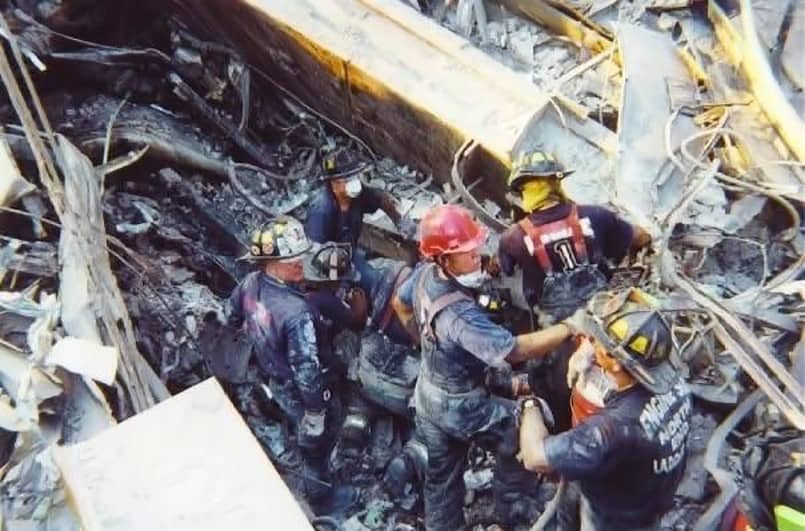
One of my own guys yelled at me, "Put that thing away!" Until that second, it hadn't occurred to me that taking photographs might come across as insensitive. I felt terrible.
Almost immediately, I felt a hand on my shoulder. A veteran FDNY firefighter — I never learned his name, but I still remember the well-worn Rescue 3 shield on his helmet — told me, "Take every picture you can, kid. Document what they did. This is like our Pearl Harbor, and we will never forget what happened here."
He then asked if we had any rope. My duty Chief looked at me and simply said, "Give the man whatever he needs." I handed over the rope bag. He thanked me, shook my hand, and went on his way. I never saw him again. More than two decades later, I can still hear his voice and feel that handshake.
How 9/11 Shaped My Career and My Life
Working at Ground Zero and experiencing something most people never will gave me a new perspective on the job I already loved and came from a family of firefighters to do. It deepened my determination to make the most of my career.
Shortly after, I was reassigned to Rescue Company 1, where I learned from some of the best firefighters of my career. I was later asked to join New Jersey Task Force 1, our state's Urban Search and Rescue team. Those experiences pushed me to study the job, sharpen my skills, and take on more responsibility — eventually leading to my promotion to Captain and then Battalion Chief.
9/11 also pushed me toward union advocacy for the rest of my career, ultimately leading to my role as State President of the Professional Firefighters Association of New Jersey (PFANJ), the state affiliate of the International Association of Firefighters (IAFF).
In many ways, 9/11 reinforced what the fire service meant to me — not just a career, but a commitment to service, preparation, and being ready when people need you most.
How First Responder Training and Equipment Changed After 9/11
Training and preparedness — especially in the New York City region — changed dramatically after September 11. Before the attacks, we prepared for "low-frequency, high-risk" events: things we knew were possible but never truly expected to face. After 9/11, that threat stopped being theoretical.
One of the biggest shifts was the creation of the Urban Area Security Initiative (UASI), which brought significant funding for apparatus, specialized equipment, and extensive hands-on training in technical rescue disciplines. That dramatically improved regional capabilities.
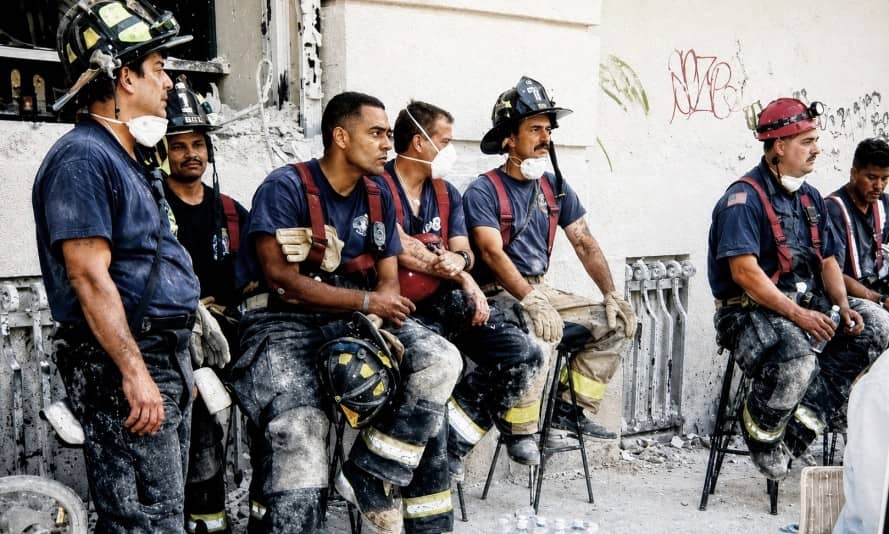
I also witnessed the evolution of firefighter personal protective equipment (PPE) firsthand. September 11 exposed real gaps — limited respiratory protection like N95 masks, and a lack of appropriate non-structural protective clothing for long-duration operations.
One of the most remarkable advances of my career was the thermal imaging camera. Early models were large, heavy, and unreliable. By the time I retired, they were small, lightweight, displayed color images, and were integrated directly into our SCBAs. That single piece of equipment shows just how far training, technology, and preparedness came in the years following 9/11.
What I Want Younger Generations to Understand About September 11
I want younger and future generations of first responders to understand the tremendous sacrifice of September 11, 2001. The loss of life — civilians and first responders alike — must never be forgotten. But it's just as important to understand that the impact of 9/11 didn't end when the fires went out or the recovery effort wrapped up.
Thousands of responders have faced serious illnesses tied to their service at Ground Zero and the other attack sites, and far too many have died in the years since. Their ongoing sacrifice is every bit a part of the legacy of September 11.
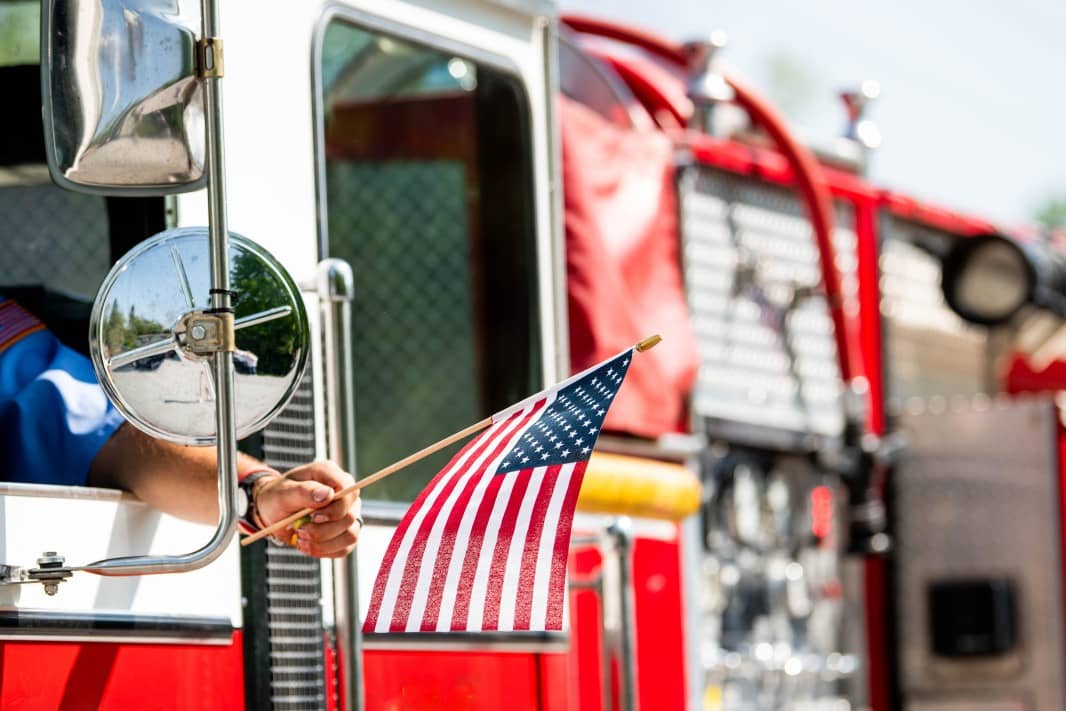
Future generations have a responsibility to keep fighting for 9/11 health monitoring, treatment, and compensation for those who answered the call. We say "Never Forget" often. Those words have to mean something. As former state president of PFANJ, I saw firsthand how quickly some elected officials could forget the sacrifices made — and turn their backs on the very people who risked, and in many cases lost, their lives and health because of 9/11.
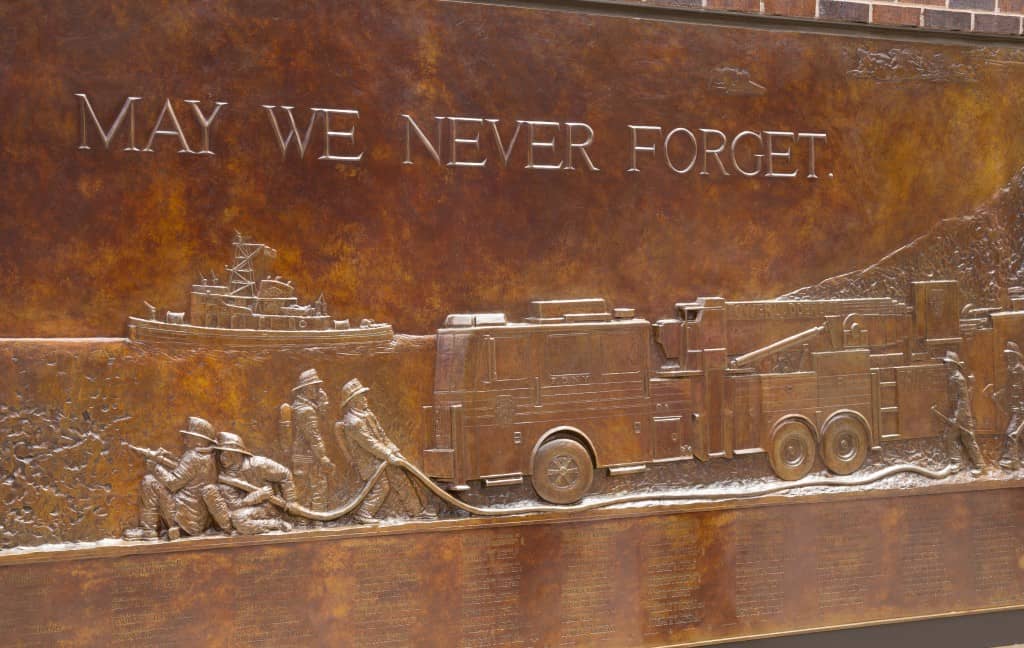
"Never Forget" cannot be something we say once a year. It has to be a commitment to remember the fallen, care for the living, and keep fighting for every responder and family still paying the price of September 11.
What Patriot Day Means to Me Personally
For me, Patriot Day is deeply personal. I experienced the aftermath of September 11 firsthand as a young firefighter at Ground Zero, and those memories have stayed with me for 25 years. It's a day to honor those we lost, remember the courage and brotherhood I witnessed, and recognize those who continue to suffer and die from 9/11-related illnesses. Most importantly, "Never Forget" is more than a phrase — it's a commitment to tell their stories, care for those still suffering, and keep fighting for the benefits and protections they earned.
How Americans Can Honor 9/11 Victims, Responders and Survivors on Patriot Day 2026
Americans can honor the victims, first responders, and everyone impacted by 9/11 through remembrance, service, and education. That can look like:
- Participating in community memorial events and stair climbs
- Supporting first responders and survivors still dealing with 9/11-related health issues
- Taking time to reflect and proudly displaying the American flag
- Carrying forward the compassion, kindness, and unity that brought Americans together after the attacks
- Educating younger generations about September 11 so they understand the loss, courage, and sacrifice of that day
Words are cheap. Actions speak volumes.
Final Thoughts as We Mark 25 Years
Twenty-five years is a long time. Long enough for a newborn daughter to grow into an adult. Long enough for a rookie firefighter to become a Battalion Chief, a union president, and eventually a retiree looking back on a career shaped by one unforgettable week in lower Manhattan.
But some things haven't faded — the smell of that week, the sight of "MORGUE" spray-painted on a storefront, and the voice of a firefighter I never saw again telling me to keep taking pictures because this was our Pearl Harbor.
On this Patriot Day, 25 years after September 11, 2001, I ask everyone reading this to do more than remember for a moment. Tell the stories. Support the responders and survivors still fighting health battles today. And make sure the next generation understands exactly what "Never Forget" is supposed to mean.
Related Posts
Disclaimer: The information in this blog post is for general informational purposes only and should not be taken as legal, regulatory, safety, or professional advice. Galls, LLC and its affiliates (collectively, the “Company”) distribute public safety and law enforcement products but do not manufacture the items discussed. All product details are based on manufacturer-provided information and have not been independently verified by Galls. We make no warranties regarding the accuracy or completeness of such information. Readers should consult the respective manufacturer or regulatory authority for the latest details.
For more detailed information, visit our Disclaimer Page.
 Item Added to Cart!
