



 Popular Categories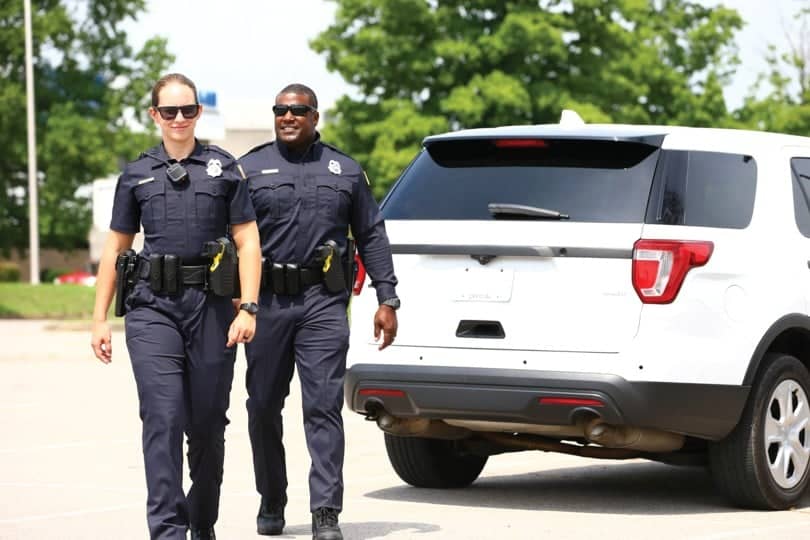
Patrol Officer Duty Gear Guide: Where to Spend and Where to Save

Building a duty rig isn't something you decide on without doing research and balancing competing demands. Some agencies dictate the specifics—design, durability, training standards—while others simply require black leather, leather-look, or black nylon and leave the rest to you. Either way, you're balancing what your department requires with the demands of your assignment and what your body can comfortably carry for 8, 10, or 12 hours. Countless officers make the same mistakes regardless of those constraints: overspending on gear they don't need, underspending on gear they depend on every day, or worse.
The most asked question is always the same: "What gear do I actually need, and where should I spend my money?" That's what this guide answers.
Key Takeaways:
- The average duty belt, equipment, and ballistic vest can add 20–35 pounds of extra weight that your body carries throughout every 8-, 10-, or 12+ hour shift.
- Duty gear is built in layers—start with the belt and holster, then add accessories as your budget allows.
- While budgets do play a role in what brands an agency purchases it's rarely the singular driving force in the selection process.
- Department policy trumps personal preference; verify requirements before spending a dollar.
- Distinguish between standard-issue equipment (firearm, body armor, radio) and gear you're expected to purchase with your uniform allotment (belt, holster, handcuffs, flashlight).
- A slightly more expensive item that lasts outperforms the cheapest option that needs replacing in a year.
- How you organize your belt matters as much as what you buy—muscle memory can save your life.
Start Your Search Here: Verify Department Policy First
Before you spend anything, pull your department's equipment policy. Most agencies specify approved belt widths, holster retention levels, handcuff types, and even acceptable finishes. I've seen officers buy perfectly good gear that wasn't on the approved list—which means you are not allowed to wear it and you still have to purchase the correct gear.
That one step—checking the list before you click "buy"—saves time, money, and frustration. If your department publishes approved brands or models, use that as your shopping filter for everything below.
What Your Department Issues vs. What You Buy
Duty gear isn't one category—it's a mix of what your agency hands you and what you're expected to bring. This varies significantly between departments, and most new officers are surprised by the gap.
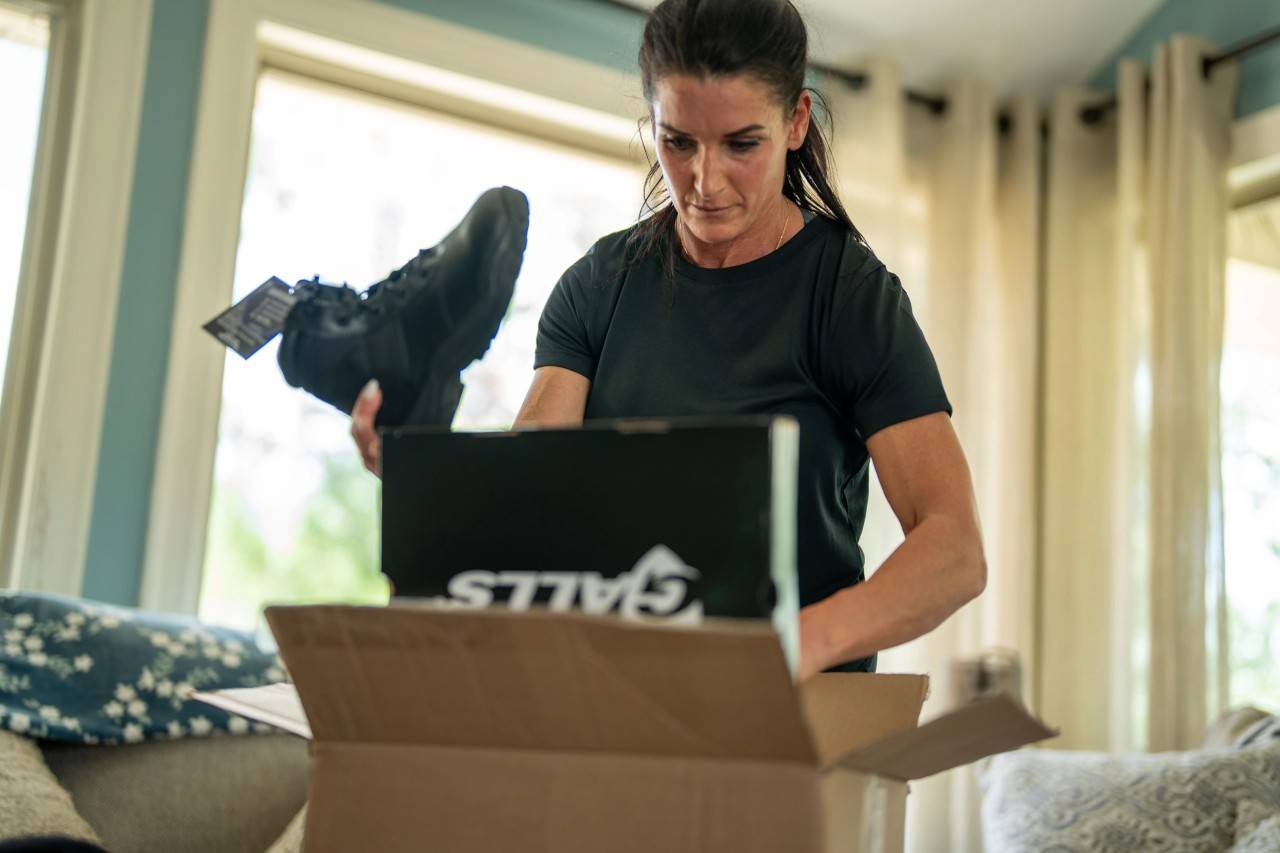
Typically, a new officer standard issue:
- Duty firearm
- Body armor / ballistic vest
- Uniform (badge, patches, insignia)
- Portable radio
- Department-issued Taser or OC spray (where applicable)
- Duty Belt, Holster and Pouches: handcuffs, flashlight pouch, radio pouch, ammo pouch, tourniquet and case, glove case
When you are not the new person and need to purchase extra items or upgraded gear either out of pocket or with a department allowance:
- Duty belt (inner and outer)
- Holster: Usually supplied by the agency as standard-issue equipment to maintain uniformity and meet safety standards established by training and academy staff.
- Handcuffs and cuff case
- Flashlight and holder
- Radio holder, spray holder, key holder, and other belt accessories
- External Load-Bearing Vests: Outer carriers are typically provided by the agency after officers are properly sized. Because carriers and armor components from different manufacturers may not be compatible, agencies closely regulate approved systems.
Some well-funded departments issue a complete duty rig, while many also provide officers with an equipment allowance and a list of approved gear. Officers may need to use these funds to replace equipment as it wears out or becomes damaged. If your department provides an allowance, treat it like a budget: prioritize essential gear first, then work your way down the list.
The Duty Belt: The Foundation of Your Entire Rig
Your duty belt is literally the foundation of everything you carry. Every holster, cuff case, radio holder, and flashlight attaches to it. Its width, rigidity, and buckle system determine what else you can carry and how comfortably you can carry it. A belt that sags or flexes under load makes every other piece of gear harder to access when seconds count.
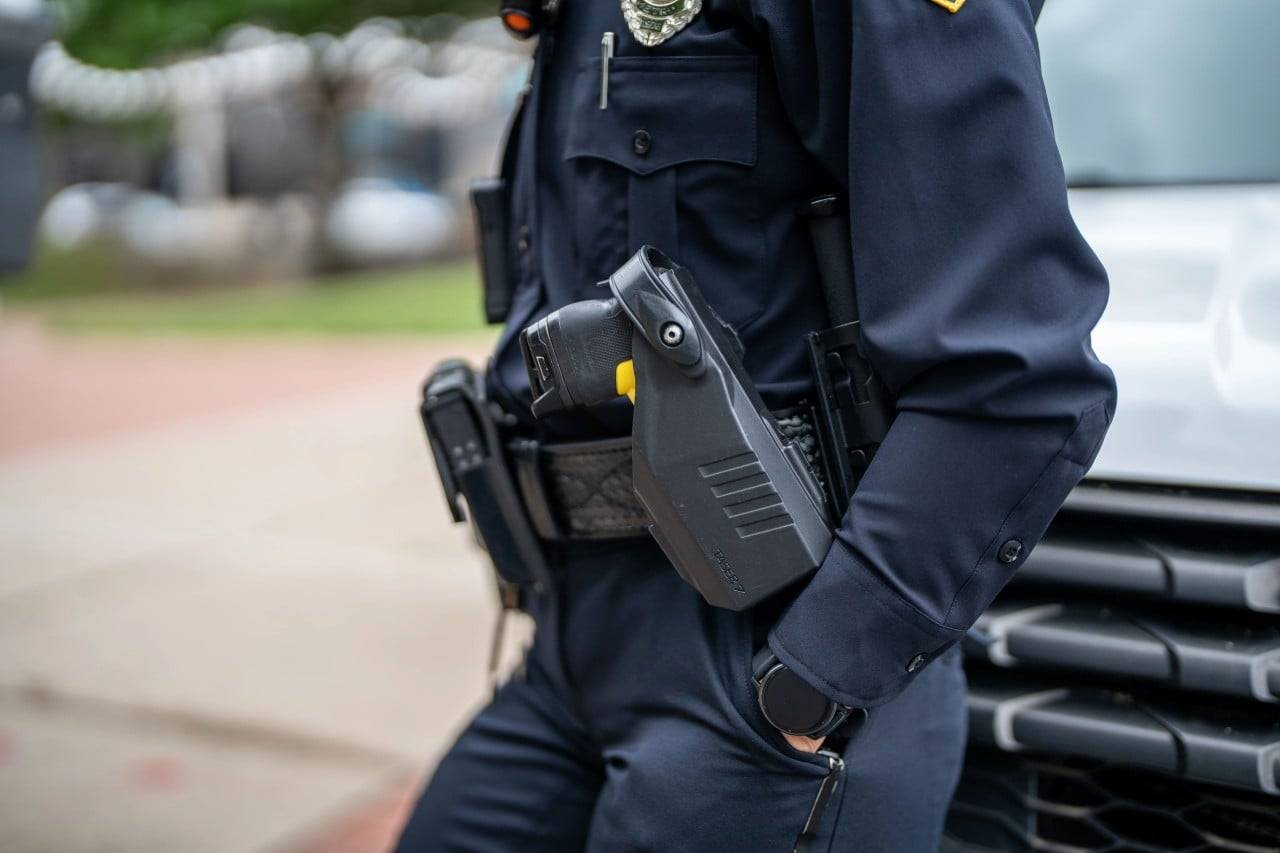
After years of wearing different belts, most officers can tell you the difference between a soft belt and a rigid one isn't subtle. On a long shift, a poor belt starts rolling under its own weight, and by hour eight or nine, you notice the fatigue. Remember, what you invest in now will compound its effect over your career. A well-planned duty belt setup may help minimize pain and discomfort over the long term.
Duty Belt Options by Price Tier
Entry-Level: Galls Molded Nylon Duty Belt - 100% ballistic nylon with reinforced internal stiffener. It's rigid, dependable, and affordable. I'd recommend this without hesitation to any recruit building a first rig.
Mid-Range: 5.11 Tactical 2" Sierra Bravo Duty Belt - Slim lock buckle and dual web layers for better fit and security. A solid middle ground for officers who want more refinement without moving to premium materials.
Premium: Bianchi AccuMold Elite 2 1/4" Duty Belt - 4-part laminate with Tri-Release polymer buckle. This holds its shape year after year. After cycling through cheaper belts early on, I learned it's worth paying once for something that won't need replacing again soon. Gould & Goodrich Leather 2 Row Stitch Duty Belt - For officers who prefer a traditional leather setup, this 2 1/4-inch top-grain leather duty belt is fully lined for added structure and durability. Two-row stitching and multiple finish and buckle options provide a professional look that can match department uniform requirements.
Consider Going Lighter: 1.5" to 1.75" Belts
Many departments have shifted from 2" belts to 1.75" or thinner options. Every ounce counts on a full shift, and the difference in lower back strain is real. Once you've got a full rig loaded on it, the comfort difference is noticeable. The Safariland Buckleless Reversible Duty Belt, 1.5" and Galls 1.5" Tactical EDC Belt are both worth considering if reducing weight matters to your comfort.
The CORE Adjustable Option
More officers are moving to CORE adjustable duty belt systems—they have a more tactical, SWAT-influenced look, and they've become the most popular style I see in the field right now. Popular options include the Mission Made Quick Release Tactical Belt and the 5.11 Tactical 1.5" TDU Belt with Plastic Buckle.
Selecting a Holster: Retention Over Price
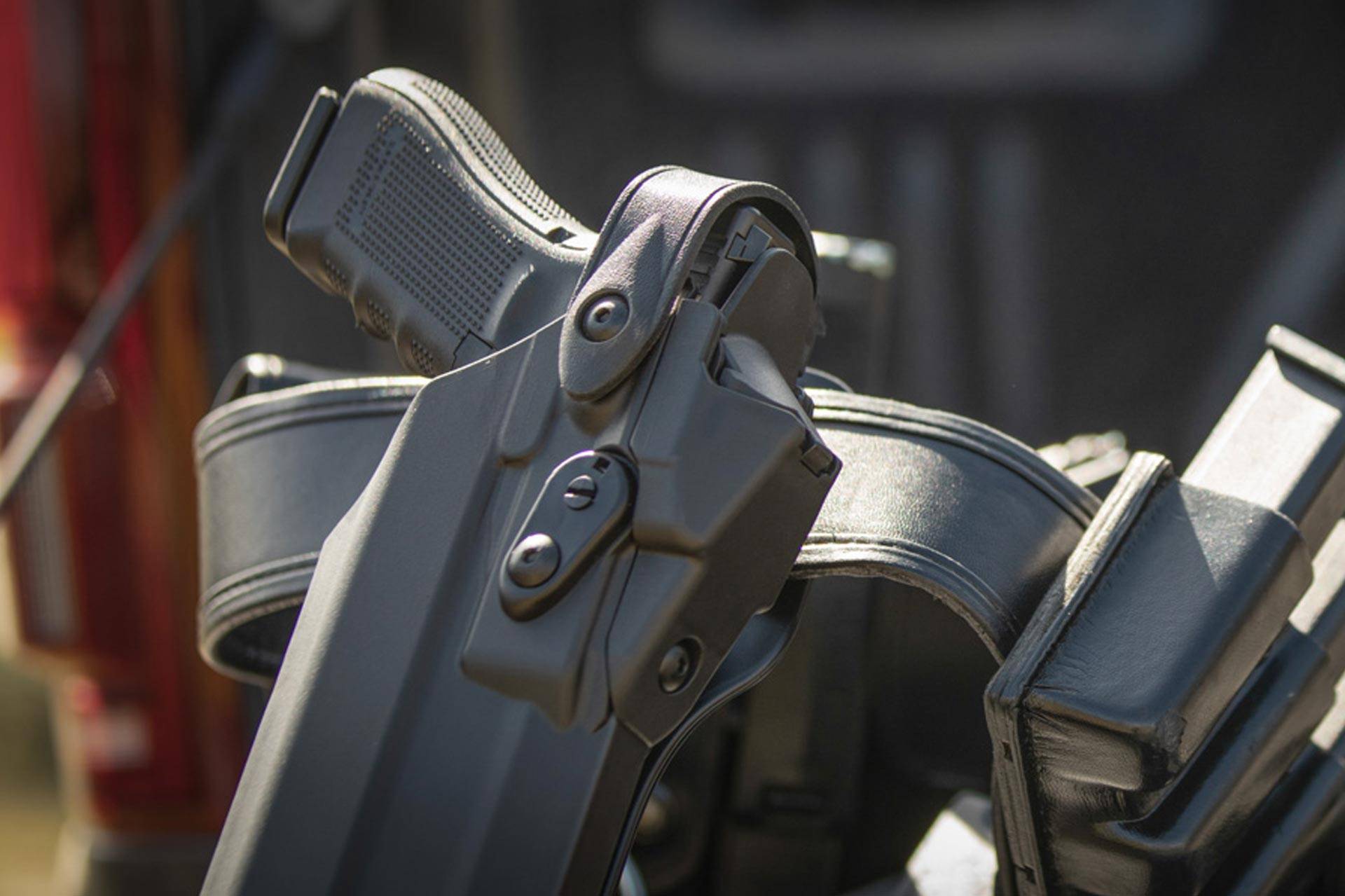
One non-negotiable rule: your holster must prioritize firearm retention and fit to your specific duty weapon over budget. Retention level, weapon compatibility, and light/optic accommodation all matter more than price. A quality holster may require a larger upfront investment, but it can provide greater confidence and dependable performance for years. Because a holster can outlast much of your other duty gear, prioritize quality rather than settling for one that simply gets the job done.
Entry-Level: C&G Holsters OWB Tactical Kydex Holster - Precision-molded with light-bearing and customizable cant. American-made, durable, and affordable. Better suited for departments or roles that allow lower retention or for backup holsters.
Premium: Gould & Goodrich T.E.L.R. Level 3 Holster w/ Belt Loop - Hood-based Level 3 retention, designed for pistols with lights and optics, tested against a six-direction pull. Strong choice for patrol officers who want proven security at a moderate price.
Concealable: Safariland 6360 ALS/SLS Level III Mid-Ride Retention Holster - One of the most widely issued duty holsters in law enforcement. Dual retention systems (ALS and SLS) combined with a draw that's fast and natural with practice. Many departments specifically recommend it.
Handcuffs: Durability Matters More Than Price
Handcuffs see stress with every arrest. Unlike a flashlight you might use a few times a shift, cuffs get worked hard. That means durability and smooth mechanical action matter as much as—sometimes more than—the price tag.
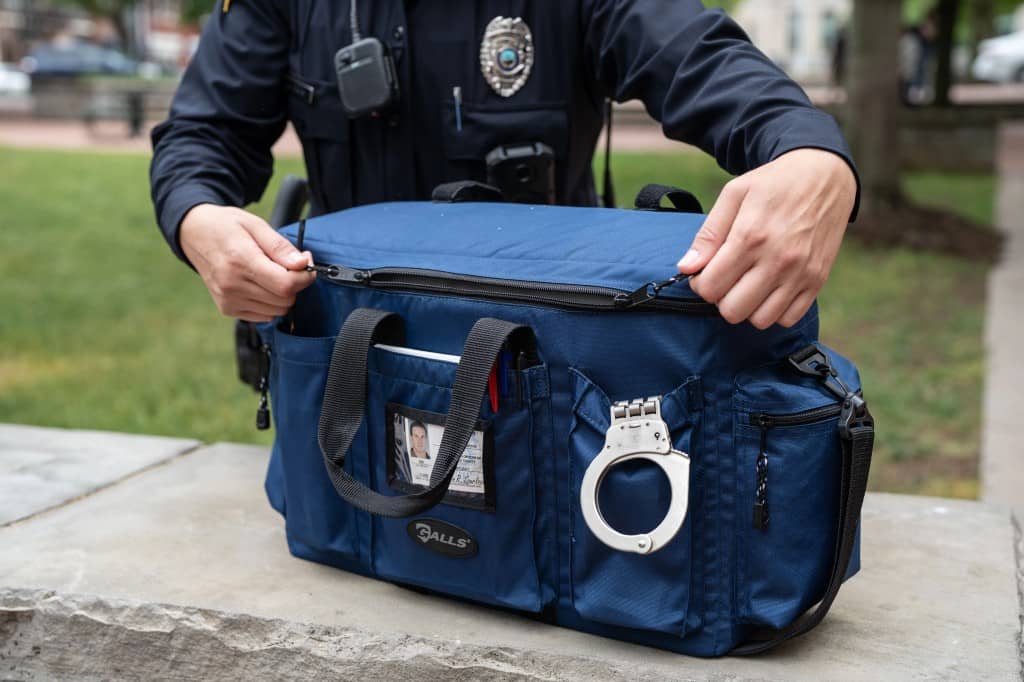
Entry-Level: Smith & Wesson Model 100 Nickel Finished Handcuff - Dependable, budget-friendly, smooth double-lock ratchet. A reasonable first pair for a recruit.
Mid-Range: Peerless Model 700C Chain Link Handcuff - Widely trusted in nickel finish with proven reliability at a moderate price.
Premium: ASP Ultra Plus Chain Handcuffs (Aluminum Bow) - Aluminum replaces steel without sacrificing strength. The weight savings is one of those upgrades you notice most by the end of a 12-hour shift—every ounce off the belt compounds over time.
Always pair cuffs with a proper case: the Bianchi AccuMold Open Top Cuff Case for quick access, or the ASP Exo Handcuff Case if you're running ASP Ultra cuffs.
Consider whether chain or hinged handcuffs best fit your needs. Many officers carry two sets, sometimes in different sizes or brands to accommodate a wider range of individuals. Carrying two pairs can also better prepare you for multiple detainees or individuals with limited mobility. If you carry two sets, plan for either a dual handcuff case or two single cases on your belt. These small setup decisions can make a difference when you need to act quickly.
Duty Flashlights: Lumens and Battery Life
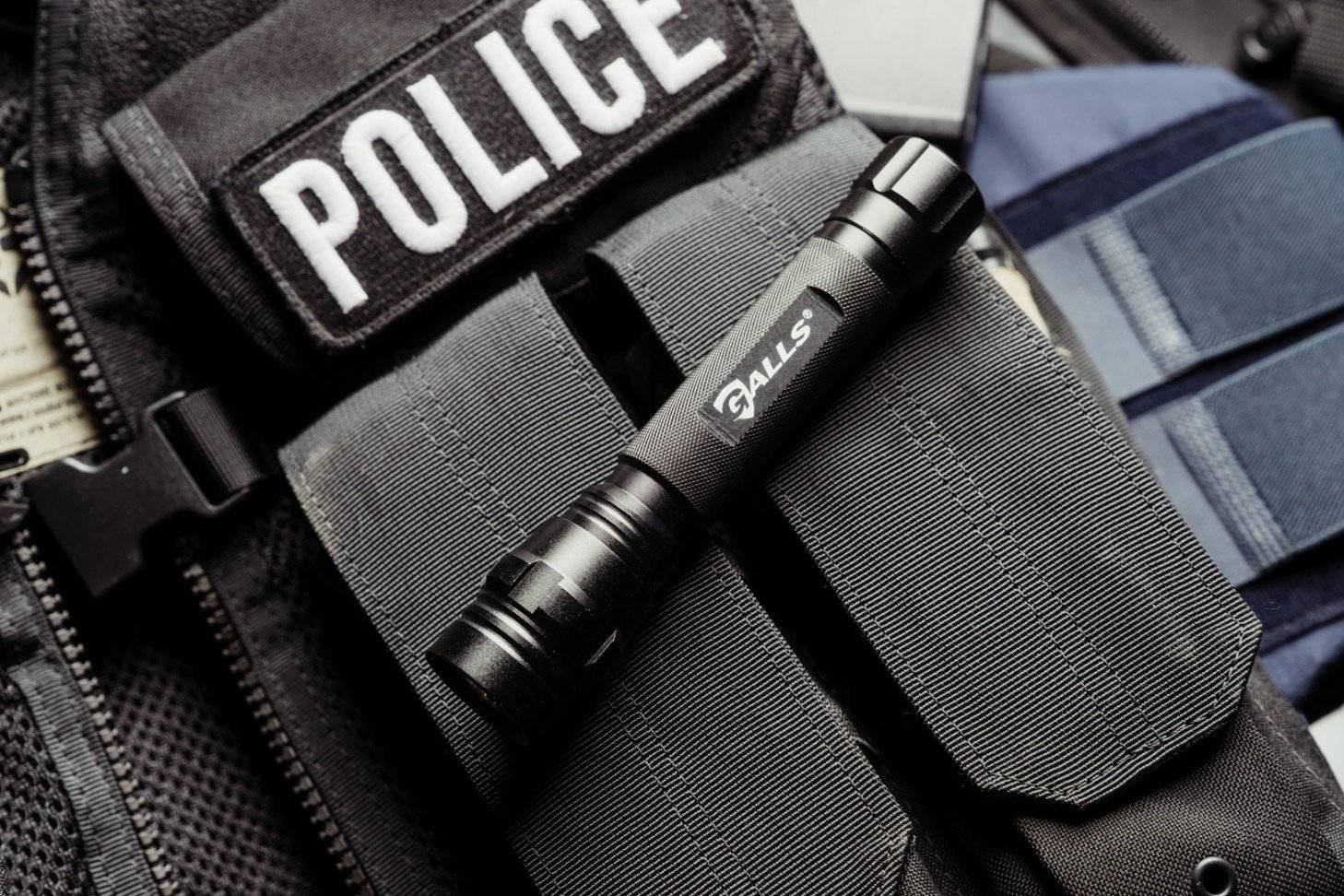
A reliable duty flashlight is essential—it provides scene illumination, low-light visibility, and critical safety. When choosing, prioritize battery life, lumen output, and whether it's rechargeable.
Streamlight Stinger LED Flashlight with Standard Charger - 350 lumens, C4 LED, dual switches, rechargeable. Dependable without straining a first-gear budget.
Fenix PD35 V3.0 Flashlight - 1,700 lumens in a compact, IP68-rated aluminum body with battery-level indicator. Significant brightness upgrade in a similarly sized package.
Pelican 7600 LED Tactical Flashlight - Rechargeable lithium-ion battery, strobe mode, rugged durability. Built to outlast several duty cycles.
A lot of young officers want a small handheld light—I did too. But after years of carrying both, I always came back to a bulkier duty light. The extra size gives you more lumens, a better grip, and a battery that lasts a full shift. Once your rig is built around it, the size difference on your belt is negligible.
Secure your light with a compatible holder like the Gould & Goodrich Phoenix Advantage Closed Top Holder or a model designed for your specific light.
Consider whether your flashlight includes, or is compatible with, a vehicle charger. There may be times when you use your light more heavily than usual and need to recharge it between calls. Keeping a portable charger or backup flashlight readily accessible can help ensure you always have a reliable light source when you need it.
For more tips, explore Top Ways to Light Up Your EDC for Maximum Readiness.
Radio Holders, Spray Holders, and Other Accessories
Once your belt, holster, cuffs, and flashlight are sorted, the remaining accessories are where you fine-tune comfort and accessibility. These are also the easiest to upgrade incrementally since they're relatively inexpensive, and they're the ones spent the least time thinking about—until a squeaky key ring or poorly placed radio holder became a daily annoyance.
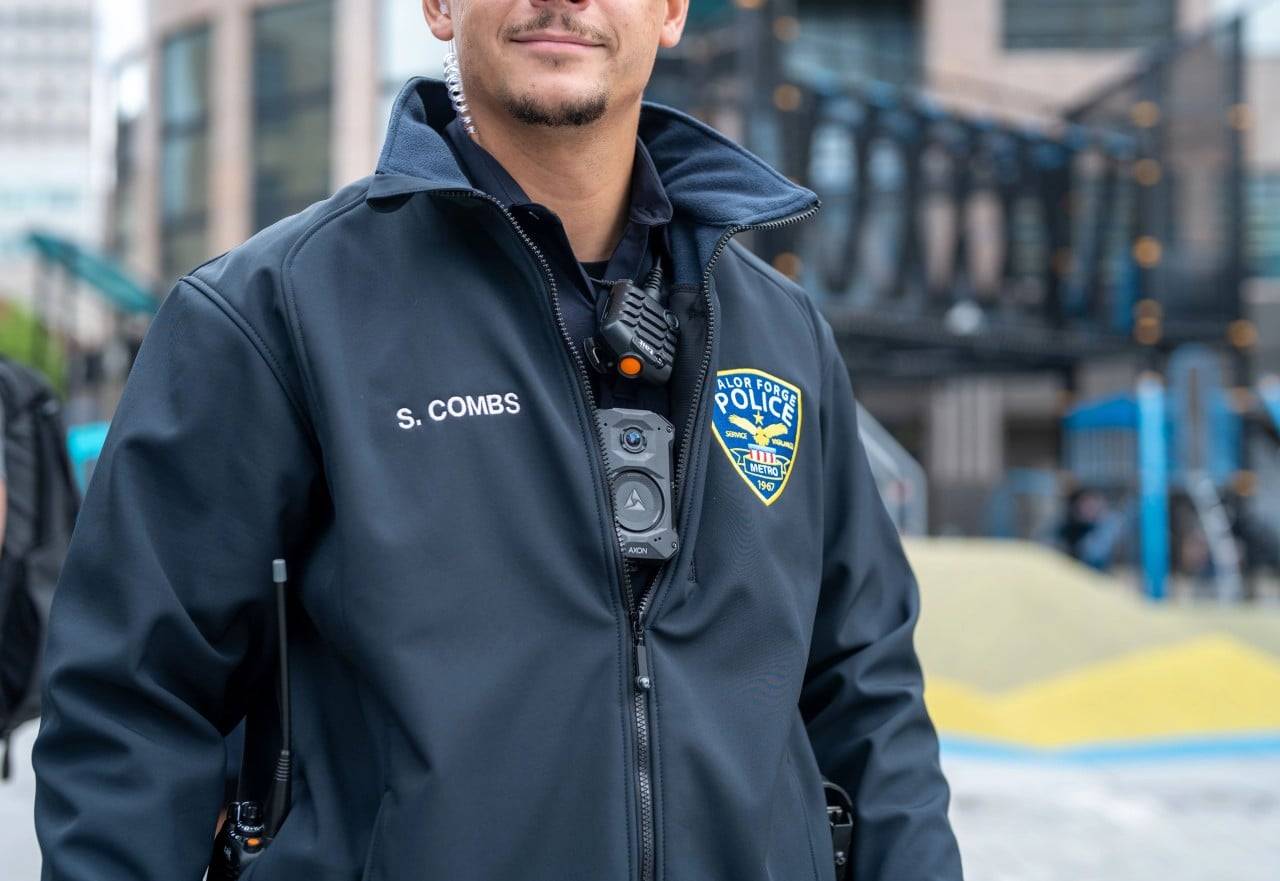
Radio Holder: Galls Molded Universal Radio Holder with Swivel fits most two-way radios and rotates for easy access.
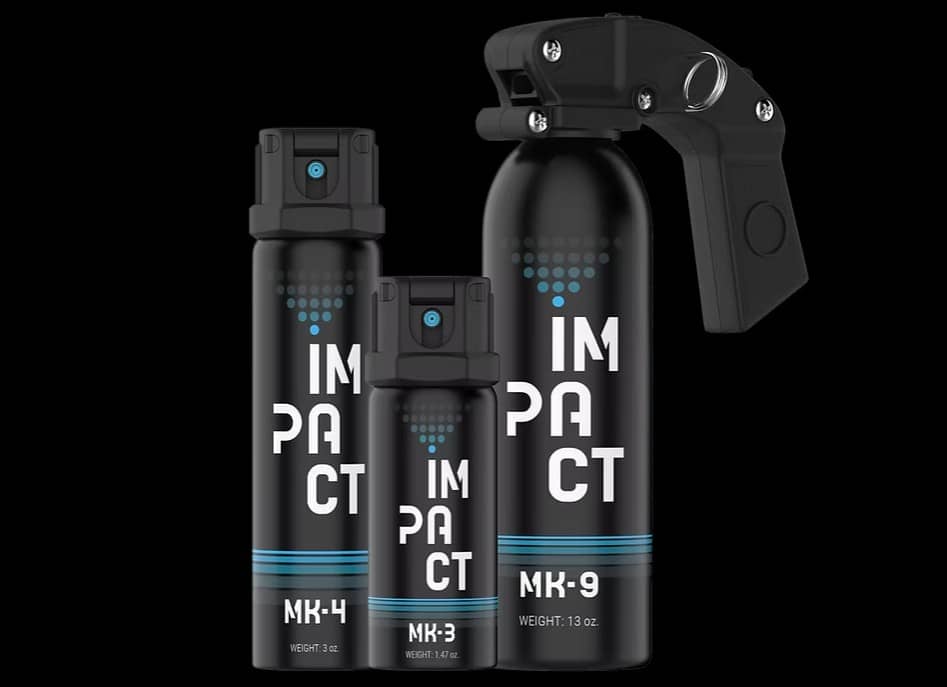
OC Spray Holder: Bianchi AccuMold Mark III Defense Spray Holder uses trilaminate construction to securely carry MK-3 canisters.
Taser/CEW Holster: BlackHawk SERPA Holster for Taser X26P provides active retention and prevents accidental probe activation.
Key Holder: Zak Tool Tactical Key Ring Holder – 2 Pack is low-cost, high-utility, and keeps keys secure and quiet.
Three Complete Rigs: Good, Better, Best
Here's how I'd structure three full setups at different price points:
Good (entry-level rig): Galls Molded Nylon Duty Belt, C&G Holsters OWB Tactical Kydex Holster, Smith & Wesson Model 100 Handcuffs, Streamlight Stinger LED Flashlight, Galls Molded Universal Radio Holder. This tier covers every essential category with dependable, budget-conscious gear — ideal for a recruit building a first rig.
Better (mid-range rig): 5.11 Tactical 2" Sierra Bravo Duty Belt, Gould & Goodrich T.E.L.R. Level 3 Holster, Peerless Model 700C Handcuffs, Fenix PD35 V3.0 Flashlight, Bianchi AccuMold Mark III Defense Spray Holder. This tier upgrades comfort, retention, and output across the board while staying reasonable on price.
Best (premium rig): Bianchi AccuMold Elite 2 1/4" Duty Belt, Safariland 6360 ALS/SLS Level III Holster, ASP Ultra Plus Chain Handcuffs, Pelican 7600 LED Tactical Flashlight, ASP Exo Handcuff Case. This tier prioritizes long-term durability, weight savings, and retention performance for officers ready to invest in gear built to last.
Priority Order: How to Build Your Rig When Budget is Tight
If you can't afford everything at once, prioritize in this order:
- Duty Belt - The foundation for everything else you carry.
- Holster - Never compromise on retention or fit to your weapon.
- Handcuffs and Case - Used on nearly every call; durability matters.
- Flashlight - Critical for safety in low-light situations.
- Radio Holder, Spray Holder, Key Holder - Accessories that improve organization. Start basic and upgrade as budget allows.
The top three categories are worth buying at the best quality you can afford from day one. Items lower on the list are reasonable to start with an entry-level option and upgrade later.
Evaluating Gear: The Four Factors That Matter
When comparing two products in the same category, weigh these four factors to determine true value:
Price: What can you afford right now without compromising a required item? Consider what’s worth investing in upfront to avoid replacing the same gear repeatedly. A higher initial cost may offer better long-term value than purchasing a less expensive option that needs to be replaced every year.
Durability: Will this hold up to daily wear and the physical demands of the job, or will you replace it in a year?
Comfort: Will you wear this for 8-, 10-, or 12-hour shifts? Padding, weight, and fit matter more than they seem in a store.
Accessibility: Can you draw, deploy, or access this quickly and instinctively under stress?
A slightly more expensive item that scores well on all four factors is usually a better long-term value than the cheapest option in a category—especially for holsters, belts, and restraints you rely on daily.
Recruits vs. Veteran Officers: Different Priorities
New recruits should focus on building a complete, reliable duty setup that covers the essentials before investing in premium gear or upgrades.
Priority order: duty belt -> holster -> handcuffs and case -> flashlight -> radio and spray holders.
Start with entry-level or mid-range options in each category rather than spending most of your budget on a single premium item. This helps you build a complete, functional setup faster while giving you time to learn what works best for you on the job.
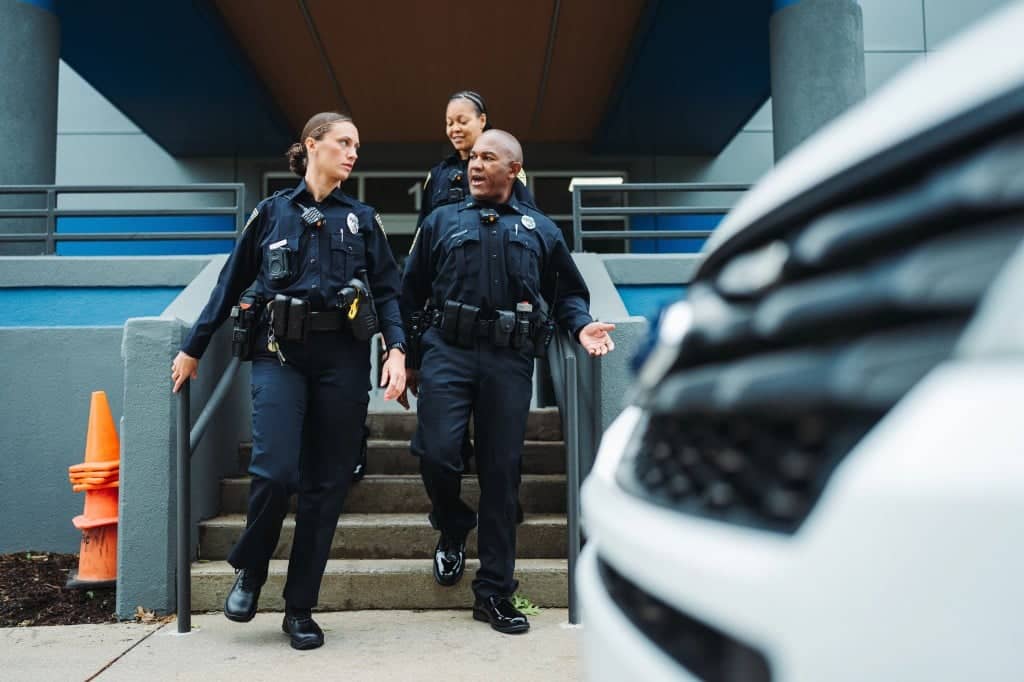
Experienced officers are often replacing worn gear one piece at a time, making this a good opportunity to upgrade strategically—whether that means moving from a nylon belt to laminate, switching from steel cuffs to aluminum-bow cuffs, or building a secondary rig for a specialized unit or assignment. Upgrading the belt and holster first can make the most noticeable difference after years of carrying a full duty rig.
The Bottom Line
Whether you're outfitting your first duty belt or upgrading gear after years on the job, the goal is the same: a setup that's reliable, comfortable, and ready when you need it. I've built and rebuilt my own rig more times than I can count, and the approach that works is simple—start with the essentials, prioritize your holster and belt, and build out the rest at a pace that fits your budget. The time you spend getting this right, pays dividends every shift you work. Explore our full range of duty belts, holsters, flashlights, and restraints to find the right pieces for every stage of your career.
Frequently Asked Questions
What is the best way to learn how to select law enforcement duty gear?
To learn how to select law enforcement duty gear, prioritize the belt and holster as your foundation, verify that all items meet department requirements, and build your rig incrementally based on your budget and specific field needs.
What essential duty gear must a new police recruit purchase?
Most recruits need a duty belt, holster, handcuffs with a case, flashlight, and radio holder at minimum, in addition to any items issued directly by their academy or department. Always confirm the required equipment list and approved brands with your department before purchasing anything.
What is the estimated cost of a complete duty belt setup?
A basic entry-level setup—including a belt, holster, handcuffs, flashlight, and radio holder—can often be built for a few hundred dollars. A premium setup featuring top-tier brands such as Safariland, Bianchi, and Gould & Goodrich may cost several hundred dollars more. Spreading out purchases and prioritizing the belt and holster first can make the overall cost more manageable.
Which duty gear components are most critical?
If I had to prioritize two pieces of gear, I would start with the duty belt and holster. The belt supports everything you carry, while the holster plays a critical role in firearm retention and accessibility. Use the Galls Holster Finder to find the right option for your setup.
Related Posts
Disclaimer: The information in this blog post is for general informational purposes only and should not be taken as legal, regulatory, safety, or professional advice. Galls, LLC and its affiliates (collectively, the “Company”) distribute public safety and law enforcement products but do not manufacture the items discussed. All product details are based on manufacturer-provided information and have not been independently verified by Galls. We make no warranties regarding the accuracy or completeness of such information. Readers should consult the respective manufacturer or regulatory authority for the latest details.
For more detailed information, visit our Disclaimer Page.
 Item Added to Cart!
