



 Popular Categories
First-Year Officer Checklist: Must-Have Gear Essentials and Critical Career Advice
Starting a career in law enforcement is one of the most demanding transitions a person can make. In my experience leading departments and mentoring officers throughout my career, the officers who hit the ground running share two things in common: the right mindset and the right gear. This guide covers the three gear categories every first-year officer should prioritize—footwear, duty flashlights, and search and duty gloves—along with the career advice I give every new officer before their first shift.
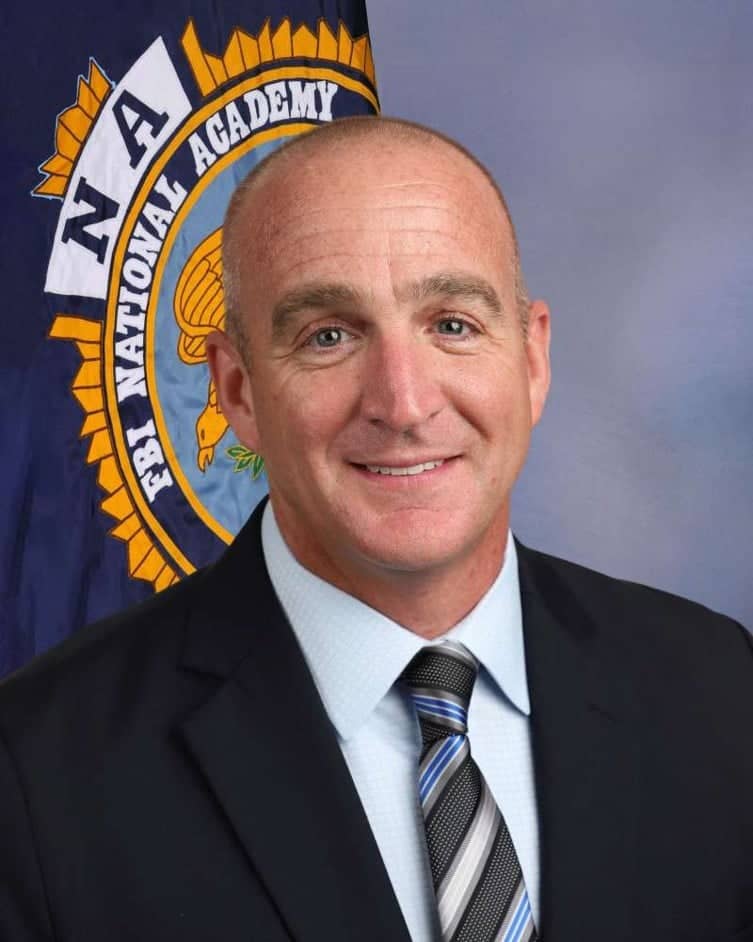
As a retired Chief of Police, an FBI National Academy graduate, and the founder of a public safety consulting firm specializing in expert witness services, law enforcement training, and consulting for agencies nationwide, I've seen what happens when new officers are underprepared—and I've seen what it looks like when they're not.
What Is the Most Important Advice for a New Police Officer?
The single most important thing I tell every new officer is this: never be afraid to ask questions. That's it. It sounds simple, but it's the piece of advice I come back to more than anything else.
When you're new to the force, there can be real pressure to act like you have all the answers. In my view, asking for help is a sign of strength, not weakness. The veterans standing next to you have all walked the same path. They understand exactly what you're going through—because they lived it. Lean on them.
Why Asking Questions Can Keep You Safe
Beyond professional growth, asking questions is a safety issue. I've seen young officers take unnecessary risks because they didn't want to admit they were unsure of something. In a profession where split-second decisions carry real consequences, relying on the experience of your peers and supervisors is one of the most critical habits you can build in your first year.

My advice is straightforward: it's perfectly okay to admit when you don't know something. Ask questions. Seek guidance. In law enforcement, good judgment should always take precedence over pride.
Respect for the Profession
I want to be clear about something: law enforcement is one of the hardest jobs in America, and it keeps getting harder. I have genuine admiration for anyone willing to step into this profession. The best blueprint I can offer for a long, safe career comes down to three things—avoid unnecessary risk, keep asking questions, and build good habits one shift at a time.
What Gear Does a First-Year Police Officer Need?
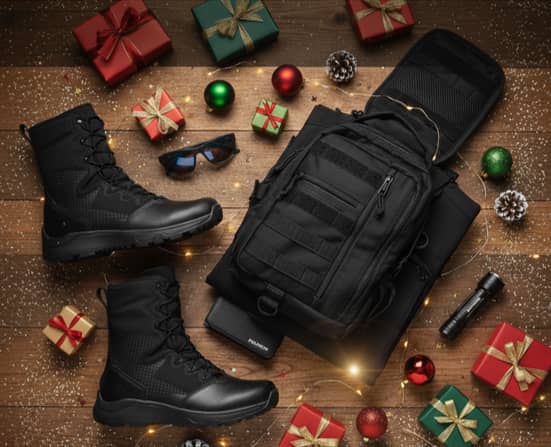
Based on my years leading departments and training officers across the country, there are three categories of gear every first-year officer should prioritize before their first shift: duty footwear, a reliable flashlight, and protective search and tactical gloves. Here is why each one matters.
1. High-Quality, Well-Researched Duty Footwear
Your choice of footwear shapes how the rest of your shift will go. Uncomfortable feet make for a genuinely miserable shift—and in this job, you do not have the option to sit down when your feet hurt.
My recommendation: do your research, try on multiple pairs, and choose the boot that actually fits your foot. Don't buy a pair just because your training officer wears them. Their foot is not your foot
Here are three duty boot options I'd encourage any new officer to try on:
Under Armour Men's Micro G Stellar Mid Boots—A lightweight, athletic-style duty boot designed for officers who are on their feet all shift. The Micro G foam midsole absorbs impact over long tours, which matters when you're walking a beat, running a foot pursuit, or standing a post for hours at a time.
Lowa Men's Zephyr MK2 GTX Mid Boots—Known for durability and weatherproofing, this boot features a GORE-TEX membrane that keeps feet dry in wet conditions while remaining breathable. Officers working in variable climates or outdoor-heavy assignments often gravitate toward Lowa for the combination of long-term wear resistance and European craftsmanship.
Salomon Speed Assault 2 GTX Boots—Built with a trail-running heritage, these boots prioritize agility and quick lacing for officers who need to move fast. The GTX waterproofing and low weight make them a strong choice for patrol officers and tactical teams who want speed without sacrificing ankle support.
The bottom line: try on all three styles before committing. What works for your training officer may not work for your foot shape, arch support needs, or the terrain you cover most often.
Looking for more options? Check out additional top picks for the best tactical boots.
2. A Reliable Duty Flashlight That Fits Your Hand
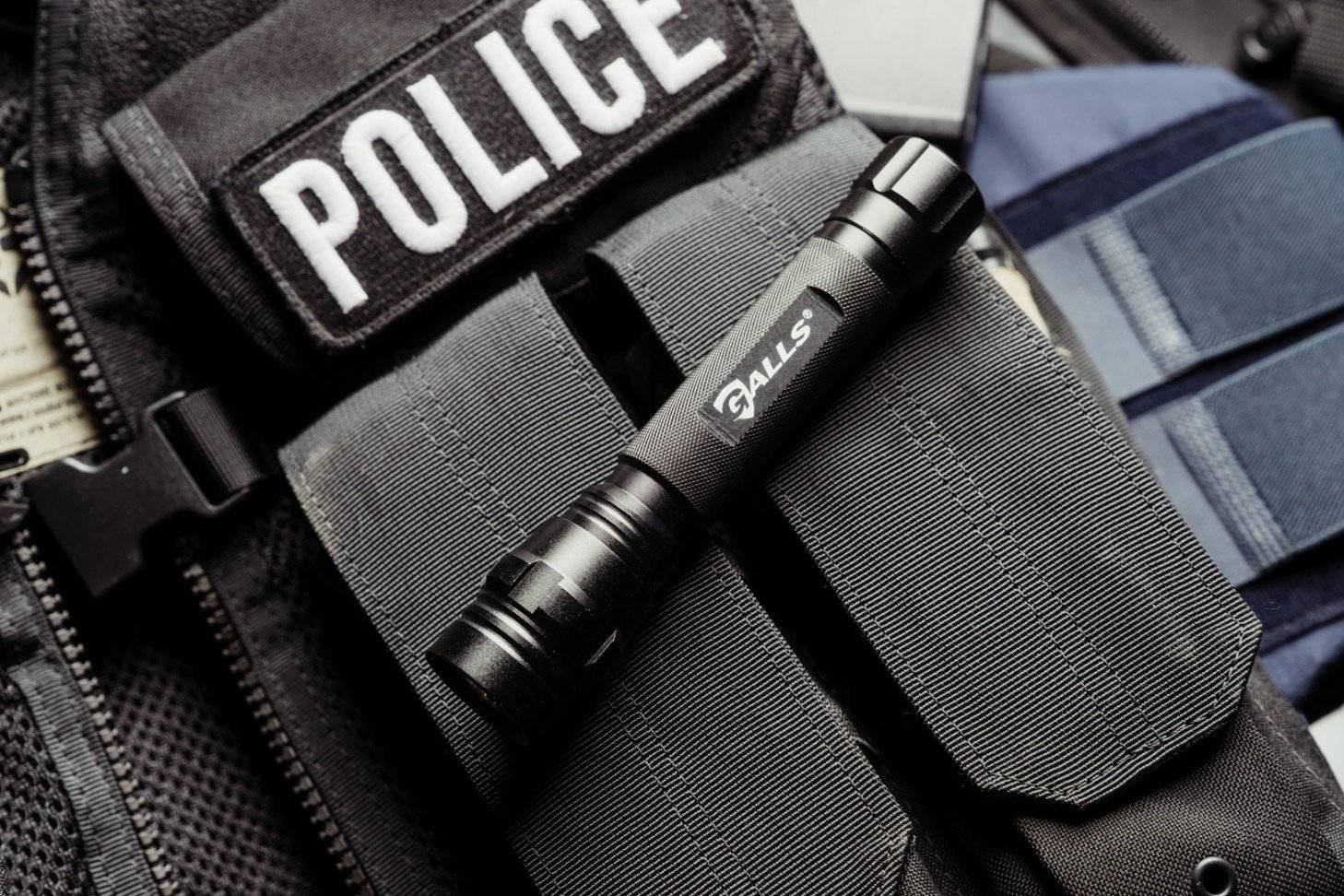
A flashlight is not just for the night shift. It is one of the most consistently useful tools an officer carries, at any time of day—and the ergonomics matter just as much as the brightness.
My advice: physically hold different flashlights before making a decision. Make sure the light fits your hand correctly, because it's a tool you'll reach for constantly. I also want to caution against a common day-shift mindset: officers working days can just as easily find themselves clearing an abandoned building, dark stairwell, or unlit basement without a light in hand. Getting caught without one is a real and avoidable safety gap.
Here are three duty flashlight options worth handling before your first shift:
Streamlight Stinger DS LED Rechargeable Flashlight with Standard Charger—A long-standing favorite in law enforcement. The dual-switch design—tail cap and head switch—lets officers control the light regardless of grip. The rechargeable platform means no scrambling for batteries mid-shift.
Fenix TK20R V2.0 Flashlight—A compact, high-output rechargeable light with multiple brightness settings, giving officers flexibility between a lower-lumen mode for close-quarters work and a max-output setting for building searches or roadway lighting.
SureFire G2X Law Enforcement Flashlight—A rugged, polymer-bodied light trusted for its simplicity and durability. The single-button tail cap makes it easy to operate under stress, and its reputation for reliability makes it a solid primary or backup duty light.
The bottom line: hold each light, test the switch placement, and check how it feels in your grip alongside a firearm or another tool. Brightness matters, but in my experience, ergonomics under stress matters just as much.
Explore top tips for optimizing your EDC lighting setup for maximum preparedness.
3. Protective Search and Duty Gloves
Protecting your hands from unseen hazards is something I consider a top priority for any officer—and one that new officers sometimes overlook until they're told otherwise. I strongly encourage new officer to carry a good set of gloves on their person at all times, accessible enough to put on immediately before going hands-on with someone.
The reasoning is straightforward: there are hazardous substances and narcotics out there that an officer does not want making contact with their skin. Exposure to certain substances during a search of pockets, a bag, or a vehicle can cause serious adverse reactions. Gloves that are buried in a duty bag are not gloves that are protecting you.
Here are three duty glove options built with search-and-seizure safety in mind:
HexArmor PointGuard Ultra 4045 Needle-Resistant Search And Duty Gloves—Built with needle- and puncture-resistant palm material, these gloves are engineered for officers who regularly conduct pat-downs, pocket searches, and vehicle searches where sharps and hidden hazards are a genuine risk.
HWI Gear Spectra-lined Duty Gloves—Featuring a Spectra lining for cut resistance, these gloves balance protection with tactile sensitivity, which matters when officers need to maintain dexterity for handcuffing, weapon manipulation, or fine motor tasks during a search.
Vertx Crisp Action Gloves—A more flexible, lightweight option for officers who want a duty glove that doesn't sacrifice grip and feel, well-suited for everyday wear where dexterity is a priority alongside basic hand protection.
The bottom line: keep a pair within immediate reach. Search gloves only protect you if you actually have them on when the moment calls for it.
Building a Safer, Stronger First Year
A first-year officer's success often comes down to two things: the mindset they bring to the job and the gear they trust to back them up. Asking questions, avoiding unnecessary risks, and leaning on the experience of veteran officers will carry a new officer through the toughest calls. Pairing that mindset with well-researched footwear, a flashlight that fits the hand, and search gloves that are always within reach rounds out a checklist built for both safety and longevity.
Law enforcement is one of the hardest and most demanding professions in the country. It takes the right preparation—on every level—to build a safe and successful career.
Frequently Asked Questions
What gear should a first-year police officer prioritize?
In my experience, the three most important categories of law enforcement gear are properly fitted duty footwear, a flashlight that fits comfortably in your hand, and accessible search or duty gloves for hands-on encounters. Getting these right before your first shift makes a meaningful difference.
What is the most important piece of advice for a new police officer?
Never be afraid to ask questions. Experienced officers have been through the same learning curve, and asking for guidance is a sign of good judgment, not weakness. The veterans around you want to help—let them.
Do police officers need a flashlight during the day shift?
Yes. Even on day shift, officers regularly encounter dark environments—abandoned buildings, basements, parking garages, and stairwells where natural light is limited or absent. A reliable flashlight should be part of every officer's daily kit, regardless of shift.
Why are search gloves important for first-year officers?
Search gloves protect officers from hazardous substances and narcotics that can cause adverse reactions during searches of pockets, bags, or vehicles. They need to be on your person and accessible so you can put them on immediately before any hands-on contact.
Should new officers buy the same duty boots their training officer wears?
Not necessarily. I advise trying on multiple pairs and choosing what fits your feet best, rather than buying a boot based solely on a colleague's recommendation. The right fit depends on your foot shape, arch support needs, and the type of terrain you cover most often.
How should first-year officers approach risk in the field?
Avoid unnecessary risks, especially in your first year. In a profession where decisions carry real consequences, there is no benefit to letting pride override sound judgment. Consult your supervisors, learn from your peers, and build your decision-making foundation before taking on situations beyond your current experience level.
Related Posts
Disclaimer: The information in this blog post is for general informational purposes only and should not be taken as legal, regulatory, safety, or professional advice. Galls, LLC and its affiliates (collectively, the “Company”) distribute public safety and law enforcement products but do not manufacture the items discussed. All product details are based on manufacturer-provided information and have not been independently verified by Galls. We make no warranties regarding the accuracy or completeness of such information. Readers should consult the respective manufacturer or regulatory authority for the latest details.
For more detailed information, visit our Disclaimer Page.
 Item Added to Cart!
